
 Select Languange
 English
 Spanish
 Polish
 Japanese
 Italy
Italy
XPS Foam Recycling: A Sustainable Solution for Polystyrene Waste
Extruded Polystyrene (XPS) foam is a versatile material widely used for insulation in the construction industry due to its excellent thermal resistance and moisture barrier properties. However, like other plastic-based materials, XPS foam poses significant environmental challenges when discarded improperly. As global awareness of sustainability grows, XPS foam recycling is emerging as a crucial process to reduce environmental impact and support circular economy initiatives.
What is XPS Foam?
XPS (Extruded Polystyrene) foam is a rigid, closed-cell material made from polystyrene resin. It is manufactured through an extrusion process that creates a uniform structure with high compressive strength. Commonly used in wall insulation, roofing systems, and under concrete slabs, XPS offers long-term durability and superior thermal insulation.
Despite its advantages, XPS foam is non-biodegradable and often ends up in landfills, where it can persist for hundreds of years. Moreover, when incinerated, it may release harmful chemicals into the environment. This highlights the urgent need for responsible recycling methods.
The Importance of XPS Foam Recycling
Recycling XPS foam brings numerous benefits to both the environment and the economy:
1. Reduction of Landfill Waste
XPS foam takes up significant space in landfills and does not degrade naturally. Recycling helps reduce this volume and mitigates the stress on landfill sites.
2. Conservation of Resources
Recycling polystyrene reduces the need for virgin materials, such as petroleum-based raw polystyrene, thereby conserving non-renewable resources.
3. Lower Carbon Footprint
Manufacturing virgin polystyrene is energy-intensive. Recycling significantly reduces carbon emissions associated with the production process, aligning with global carbon neutrality goals.
4. Promoting Circular Economy
By recycling XPS foam into new products, the material re-enters the production cycle, fostering a sustainable loop and reducing environmental impact.
How is XPS Foam Recycled?
Recycling XPS foam involves several steps, which may vary depending on the application and recycling technology used. The general process includes:
1. Collection and Sorting
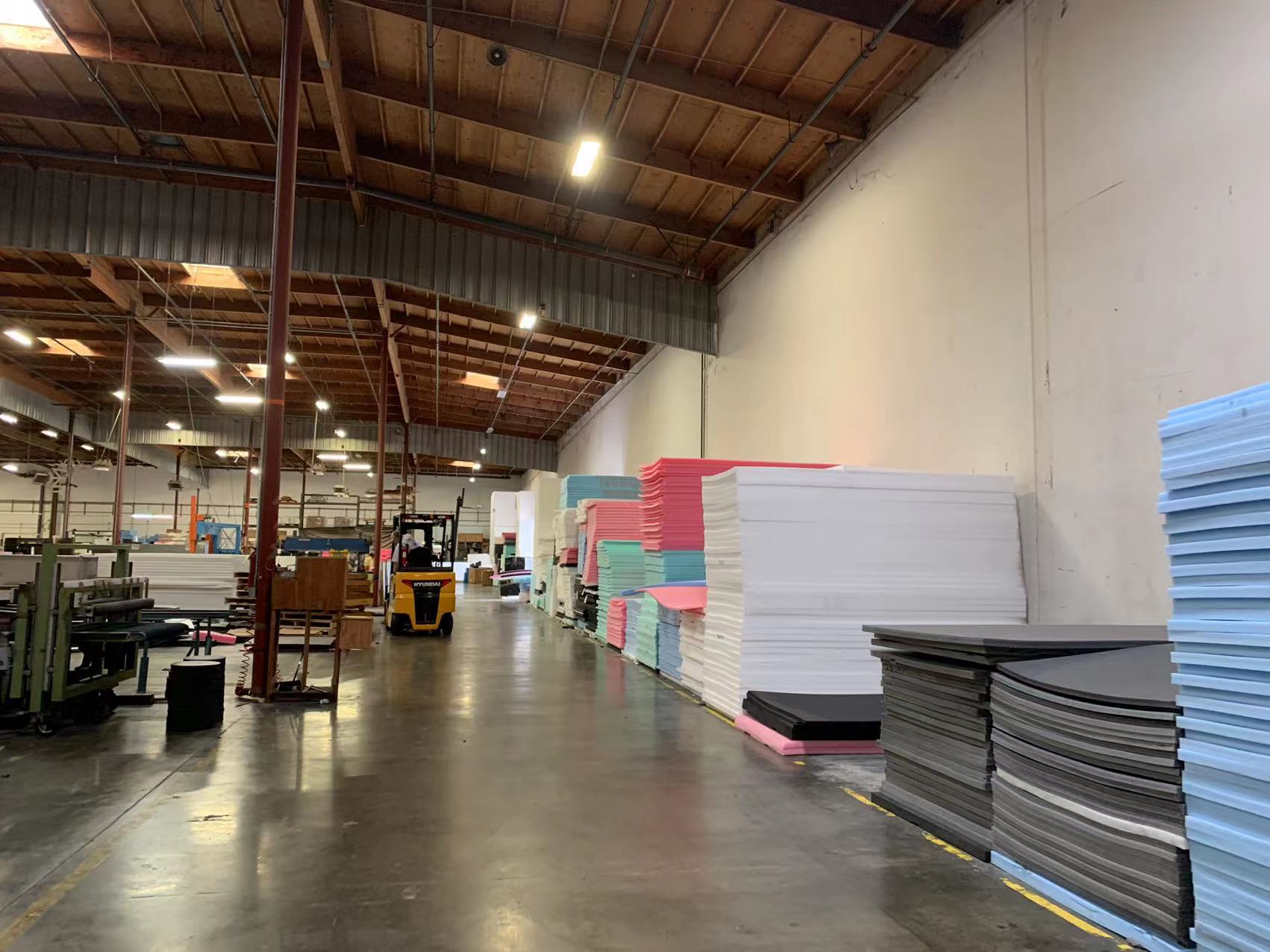
XPS waste is collected from construction sites, demolition projects, and manufacturing facilities. It is then sorted to remove contaminants like dirt, adhesives, and other building materials.
2. Shredding and Densifying
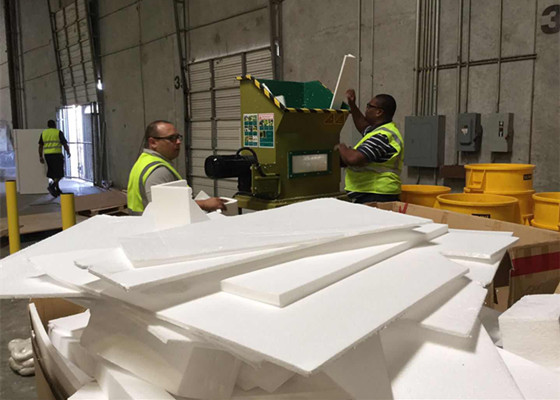
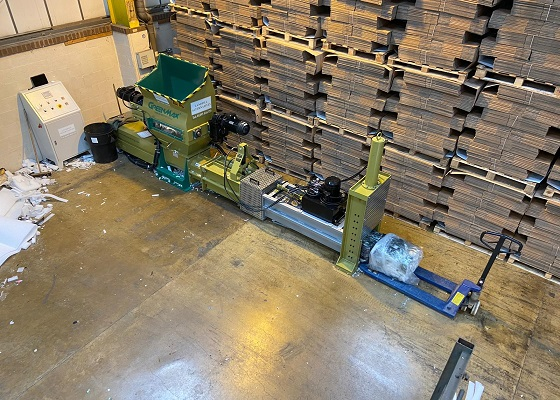
The sorted foam is shredded into small flakes and processed using densifiers or compactors. These machines compress the lightweight foam into dense blocks, making it easier and more economical to transport.
3. Melting or Re-Pelletizing
The densified XPS is either melted down and formed into pellets or directly fed into extruders. These pellets can be reused as raw material for manufacturing new plastic products.
4. Reprocessing into New Products
Recycled XPS is commonly used in producing items such as picture frames, architectural moldings, park benches, and even new insulation materials, closing the loop on the foam’s lifecycle.
Challenges in XPS Foam Recycling
While the benefits are clear, XPS foam recycling does face some hurdles:
Contamination: XPS used in construction often contains impurities that complicate recycling.
Logistics: Because XPS is lightweight and bulky, transporting it efficiently can be challenging without densification.
Infrastructure: In many regions, recycling facilities equipped to handle XPS are limited, restricting widespread adoption.
Innovations Driving XPS Recycling Forward
Advancements in recycling technology and increased investment in circular solutions are helping overcome these challenges. For example:
Solvent-Based Recycling: New methods use organic solvents to dissolve polystyrene, allowing for purification and reformation without thermal degradation.
AI-Driven Sorting: Automation and AI-assisted material recognition help sort recyclable XPS from waste streams more efficiently.
Decentralized Densifiers: Portable densification units at construction sites reduce the volume of foam waste before transport, improving overall logistics.
Conclusion: A Greener Future with XPS Recycling
XPS foam recycling represents a pivotal step toward sustainable waste management in the construction industry. By diverting polystyrene from landfills, reducing emissions, and promoting resource efficiency, recycling not only benefits the planet but also creates economic opportunities in material recovery and green manufacturing.
As more countries implement extended producer responsibility (EPR) programs and green building regulations, the demand for effective XPS recycling solutions will continue to rise. With the right policies, infrastructure, and public awareness, we can transform XPS foam from a waste challenge into a resource opportunity.