 Select Languange
 English
 Spanish
 Polish
 Japanese
 Italy
Suttons Performance Packaging: Managing PE Foam Production Offcuts
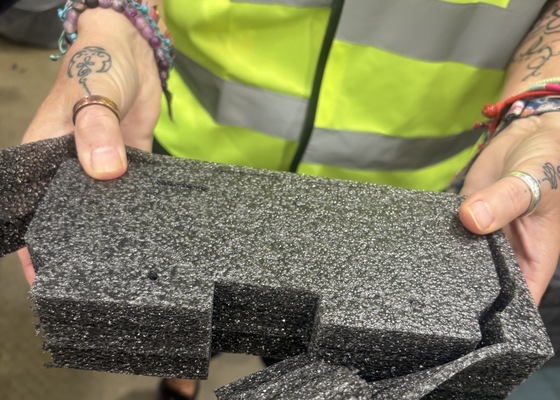
Suttons Performance Packaging is a UK-based PE foam converting company that cuts protective packaging materials to meet different customer requirements. The cutting process generates regular offcuts in various shapes and sizes. Although these scraps are relatively clean and come from a known production source, their low density and flexible structure make them difficult to store and transport in loose form. If not handled regularly, foam offcuts can accumulate around production areas, taking up valuable space, disrupting daily operations and creating potential workplace hazards. Transporting loose foam can also be costly because vehicle space is often filled before reaching a practical load weight.
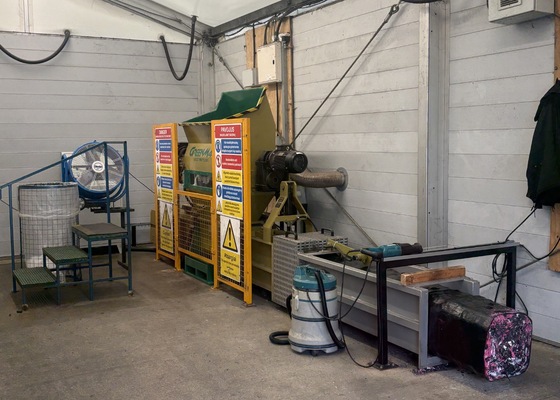
To improve its production waste management, Suttons selected the GREENMAX ZEUS Z-C200 PE foam compactor to process its cutting offcuts on site. The machine has now been in operation for around four years, running eight hours a day, five days a week. The compacted PE foam is then returned to an upstream partner for further recycling.
How Does the GREENMAX ZEUS Z-C200 Process PE Foam Offcuts
Designed for materials such as EPE, the GREENMAX ZEUS Z-C200 combines crushing, screw compression and heated forming to turn loose foam into compact blocks. Rather than simply applying pressure to the material, the machine first reduces the foam into smaller pieces before compressing and forming it.
1. Crushing: Preparing Different Sizes of Foam Offcuts
PE foam cutting scraps often vary in size and shape. The Z-C200 uses a dual-shaft crushing system to break larger pieces into smaller fragments before they enter the compression stage. This prepares the material for more consistent feeding and continuous processing.
2. Screw Compression: Reducing Loose Foam Volume
The crushed material is transferred into the screw system, where it is continuously conveyed and compressed under mechanical pressure. As the material moves through the system, the foam particles become more compact, reducing the air gaps between them and lowering the overall volume. This stage is particularly important when processing lightweight, resilient PE foam.
3. Heated Forming and Cutting: Producing Compact Blocks
After screw compression, the material enters the forming section, where controlled heating helps create a compact block. The formed material is then cut and discharged for collection. Compared with irregular, loose foam offcuts, the finished blocks are easier to stack, handle, store and transport.
By combining these processes, the GREENMAX ZEUS Z-C200 turns loose production scraps into more manageable material, making subsequent storage and recycling logistics easier for Suttons.
Four Years of Operation: Maintenance, After-Sales Support and Equipment Improvements
The GREENMAX ZEUS Z-C200 has been operating at Suttons for around four years, with a working schedule of eight hours a day, five days a week. During this period, the machine has experienced very few problems, and routine maintenance has been straightforward.
One maintenance item mentioned by the customer was the occasional replacement of heating plates. After these components were replaced, the machine continued to deliver good processing results. The customer also found that operators did not need much time to become familiar with the equipment, making it easier to incorporate into everyday production.
During long-term operation, Suttons also encountered an issue involving the Siemens control programme. The company initially considered contacting Siemens directly, but the service cost was relatively high. GREENMAX's after-sales team responded promptly and helped resolve the issue, allowing the machine to continue supporting the customer's operation.
The customer also identified opportunities to improve the feeding and final cutting stages. A conveyor belt and automatic cutter were discussed as possible additions to make material feeding and block discharge more continuous, reducing manual handling. These are potential configuration improvements rather than features confirmed on Suttons' existing machine.
This experience highlights several aspects of long-term equipment ownership: straightforward maintenance, ease of operation, responsive technical support and the ability to adapt equipment configurations to changing production requirements.
Practical Benefits of PE Foam Compaction at Suttons
After around four years of use, the GREENMAX ZEUS Z-C200 has helped Suttons improve several aspects of its production waste management.
1. Lower Transport Costs
Loose PE foam occupies considerable vehicle space despite its relatively low weight. After crushing and compaction, the material takes up less space and can be stored and transported in a more organised form. Suttons reported that the machine has significantly reduced its waste transportation costs.
2. Less Foam Accumulation on Site
PE foam cutting generates offcuts throughout the working day. By operating the Z-C200 regularly, Suttons can process these scraps before they accumulate in production and temporary storage areas. The compacted blocks are also easier to stack, helping maintain a tidier factory environment.
3. Improved Workplace Efficiency and Safety
Large quantities of loose foam can obstruct working areas and interfere with normal production activities. Keeping up with foam compaction helps reduce material build-up, maintain clear working spaces and minimise potential safety risks associated with accumulated waste.
These benefits show that PE foam compaction is not simply about reducing material volume. It also supports better factory organisation, waste logistics and day-to-day working conditions.
From PE Foam Production Offcuts to Further Recycling
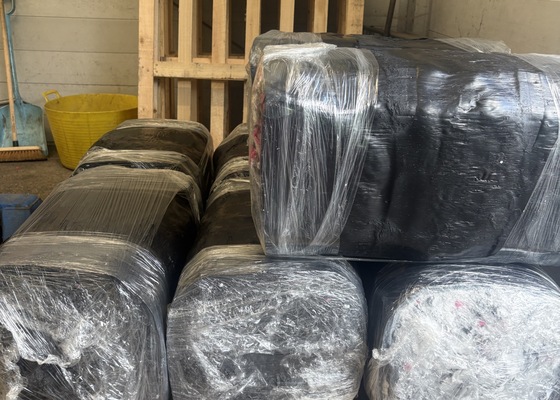
At Suttons, the PE foam offcuts processed by the GREENMAX ZEUS Z-C200 are not simply discarded after compaction. The compressed material is returned to an upstream partner for further recycling and reuse.
By collecting cutting scraps during production and processing them into compact blocks, Suttons makes the material easier to store and transport before it returns to the recycling chain. The GREENMAX machine therefore plays an important role in connecting on-site production waste management with downstream material recovery.
For other PE foam converters in the UK, establishing an effective PE foam recycling process involves more than choosing a compactor. Businesses also need suitable arrangements for collecting production offcuts, processing them on site and ensuring that the compacted material has a reliable downstream destination.
PE Foam Recycling Video:
GREENMAX ZEUS Series PE Foam Recycling Solutions
GREENMAX provides equipment and recycling solutions for businesses handling EPE and other compatible foam materials. The GREENMAX ZEUS Series Densifier is designed to process loose foam through crushing and compression, with equipment configurations selected according to material characteristics and operating conditions.
For further information about polyethylene foam processing, visit our EPE Recycling and Compaction Guide. Businesses looking to integrate foam recycling into their manufacturing operations can also refer to our Foam Recycling Solutions for Manufacturing.
Suttons' experience demonstrates the value of combining suitable compaction equipment with practical after-sales support and a clear route for recovered material. If your business regularly generates PE foam cutting offcuts and wants to reduce transport costs, prevent foam accumulation and improve factory waste management, contact GREENMAX with details of your material, estimated waste volume and site conditions. Our team can help assess a suitable PE foam compactor for your operation.