
 Select Languange
 English
 Spanish
 Polish
 Japanese
 Italy
How Can UK Businesses Recycle EPS Packaging Waste? Industry Applications and Solutions
Expanded polystyrene (EPS) is widely used in appliance packaging, food transportation, automotive components and building insulation. From protective inserts removed during appliance deliveries to fish boxes used in the seafood industry, businesses across different sectors regularly generate EPS packaging waste.
In England, EPS and HIPS packaging are not typically collected as part of standard workplace dry recycling under the Simpler Recycling guidance. Businesses therefore need suitable collection and recycling arrangements rather than mixing EPS with other plastic packaging.
For manufacturers, distribution centres and commercial recyclers, finding the right EPS recycling machine and establishing a suitable route for further material recovery are important parts of managing this waste.
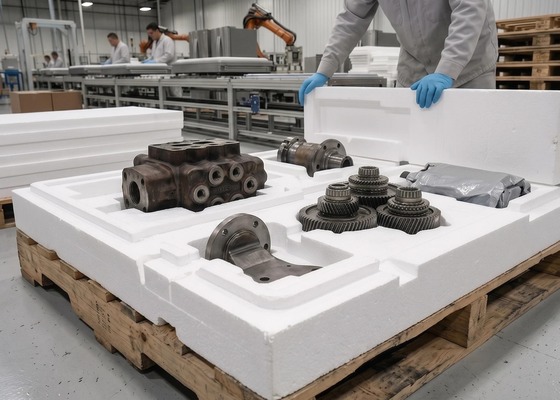
EPS Packaging Waste Is Generated Across Multiple Industries
EPS offers excellent cushioning and thermal insulation properties, making it suitable for a wide range of applications.
Domestic Appliances and White Goods: Fridges, washing machines, televisions and other appliances use EPS corner protectors, moulded inserts and cushioning blocks. Waste is generated during production, unpacking at distribution centres and product returns.
Electronics and IT Equipment: Computers, monitors, printers and audio equipment use moulded EPS protective packaging. Electronics manufacturers, returns centres and WEEE recyclers are common sources of this waste.
Furniture and Home Furnishings: Sofas, tables, mattresses and lighting products often use EPS corner protectors and custom-shaped cushioning. Furniture factories, warehouses and delivery operations generate used packaging and manufacturing offcuts.
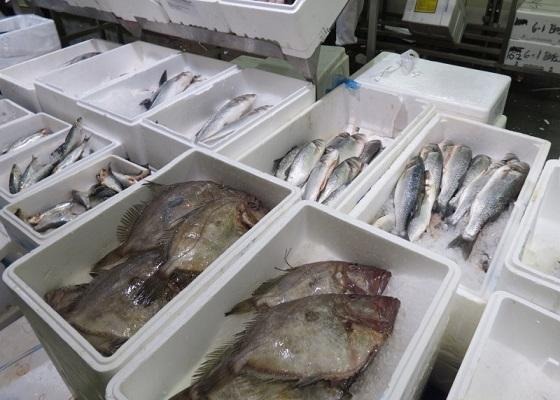
Food Processing, Seafood and Cold Chain Logistics: EPS fish boxes, seafood containers, food trays and insulated boxes are widely used in chilled transport. Fish markets, food processors and cold storage facilities generate used packaging that may contain water, fish scales and food residues.
Pharmaceuticals, Laboratories and Medical Equipment: Temperature-controlled packaging, laboratory sample containers and protective inserts may also contain EPS. Clean materials can be assessed for recycling, while potentially contaminated waste must follow the relevant waste management requirements.
Automotive Components and Parts Manufacturing: EPS and EPP moulded inserts, protective trays and cushioning components are used to transport automotive parts and battery products. Suppliers and parts warehouses generate this type of waste. EPS and EPP should be separated because they are different polymers.
Solar and Photovoltaic Equipment: Solar panels, photovoltaic cells and inverters may use EPS corner protectors and moulded inserts during transportation. Manufacturers, warehouses and installation projects can generate this packaging waste when equipment is unpacked.
Industrial Machinery and Equipment Manufacturing: Pumps, valves, precision instruments and machinery often require custom EPS inserts for transportation, particularly for export shipments. Manufacturing and packing facilities generate protective packaging and cutting offcuts.
Warehousing, Logistics and Distribution Centres: Large distribution centres, third-party logistics providers and e-commerce warehouses handle products from multiple manufacturers. Unpacking operations generate EPS protective pads, moulded inserts and cushioning blocks.
Different industries generate different types of EPS waste. Material cleanliness, size and quantity should therefore be considered when planning an appropriate recycling process.
Downstream Recycling Requirements Matter
The quality of collected EPS plays an important role in determining whether it can be accepted by a downstream recycler.
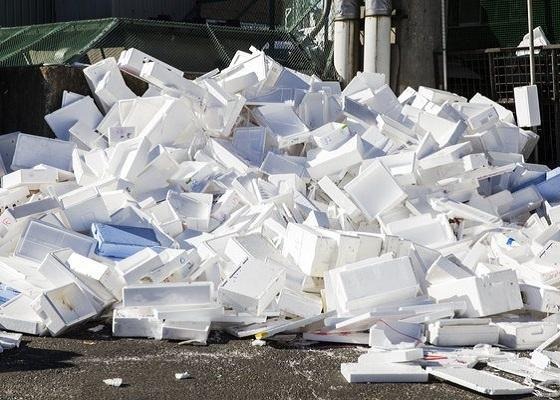
Packaging from appliances, electronics, furniture and industrial equipment is often relatively clean, although cardboard, adhesive tape, labels and metal components may need to be removed. EPS fish boxes and food containers require additional attention because of moisture and food residues.
Building insulation offcuts may also contain mortar, coatings or construction adhesives. These materials should be assessed before being mixed with cleaner packaging-grade EPS.
Businesses should also confirm whether their recycling partners accept loose EPS, cold-compacted blocks or hot-melt material, as well as any requirements concerning material cleanliness and delivery quantities.
For businesses exploring different polystyrene recovery options, Polystyrene Recycling provides further information about the material and its recycling routes.
Compacted EPS Can Be Reprocessed into New Materials
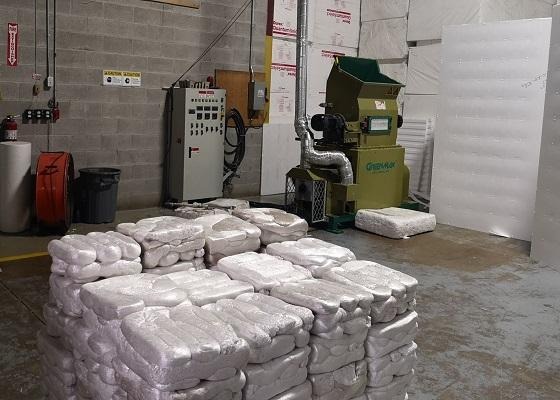
EPS compaction reduces the volume of loose foam and produces blocks that are easier to store, transport and deliver to recycling facilities. These blocks can subsequently be shredded, melted and processed into recycled polystyrene granules for manufacturing new products.
A practical example is the cooperation between French companies HIRSCH and BEWI Circular.
Through this partnership, collection bags are provided to industrial and construction customers to gather EPS offcuts. Material that cannot be directly reused is compacted into blocks, with approximately 20–30 tonnes collected each month before being sent to BEWI Circular for further recycling.
This demonstrates how collection, compaction and downstream recycling can work together. Businesses do not necessarily need to operate their own pelletising facilities; they can collect and compact suitable EPS waste before supplying it to specialist recyclers.
For UK businesses, establishing a regular collection arrangement with a downstream recycler can help ensure that processed EPS has a clear destination.
Choosing a Suitable EPS Compaction Solution
The appropriate processing method depends on the type and condition of the EPS waste, the quantity generated and the requirements of downstream buyers.
Businesses considering mechanical compaction can explore Foam Compactors, while those looking at thermal densification can refer to Foam Densifiers. The choice should be based on the actual material, available site conditions and the form of material accepted by the recycling partner.
If your business is considering EPS recycling or on-site waste reduction, contact GREENMAX to discuss your requirements. Our team can assess your material type, waste volume and site conditions, and recommend a suitable recycling solution based on your needs.