
 Select Languange
 English
 Spanish
 Polish
 Japanese
 Italy
Italy
RWM Expo 2026: GREENMAX Showcases Foam Compaction Solutions in the UK
RWM Expo 2026 was held at the NEC Birmingham on 16–17 September. GREENMAX attended the show with its foam cold compaction equipment, meeting businesses from the waste management, recycling and manufacturing sectors to discuss practical ways to handle EPS and other foam waste.
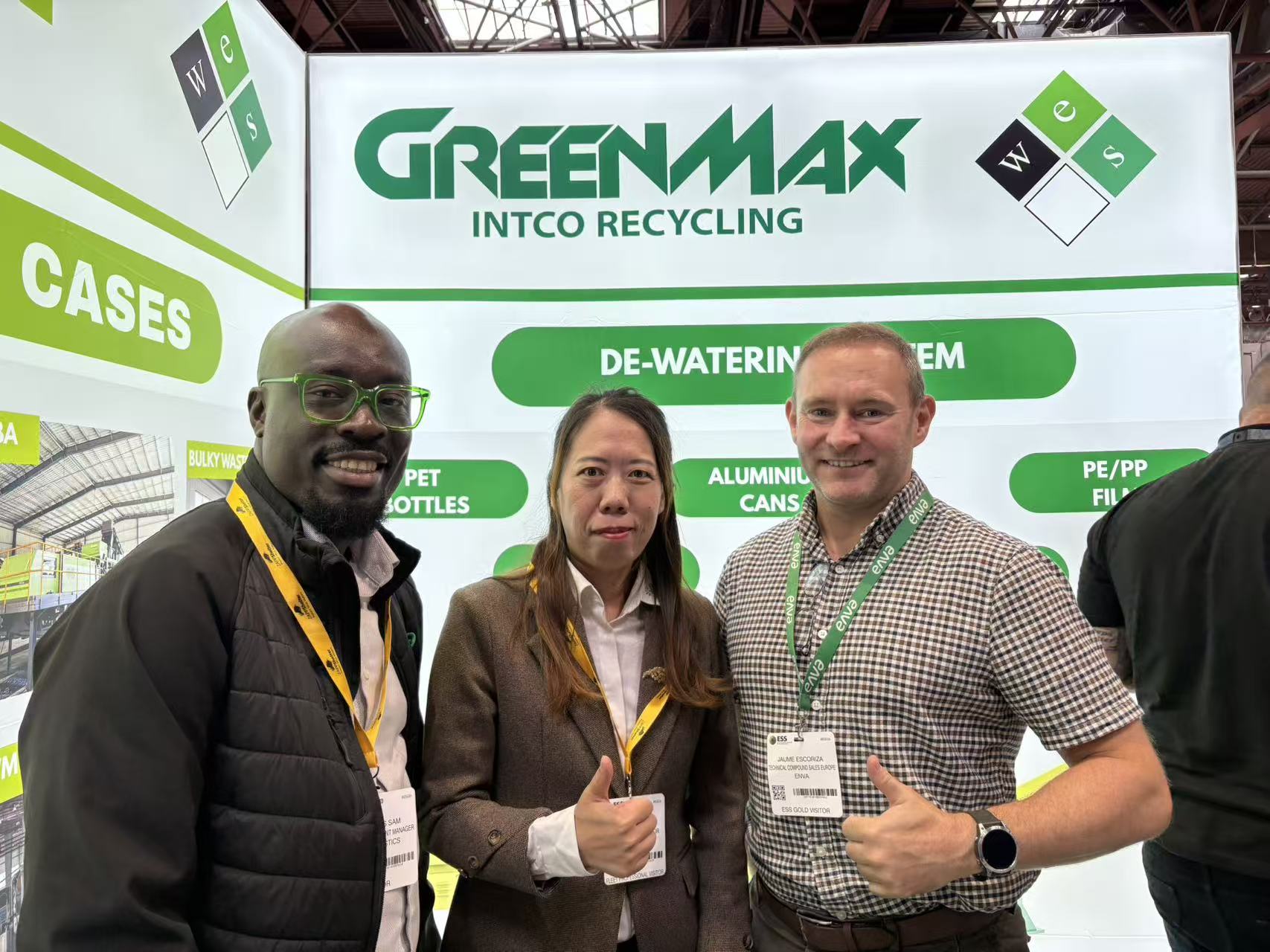
At the stand, visitors could examine the equipment and compacted foam blocks while discussing their own materials and project requirements. Many conversations focused on practical operating conditions, including whether the foam needed pre-processing, how the equipment could be installed on site, how compacted material would be stored, and whether existing recyclers could accept the processed foam.
Equipment Selection Starts with the Waste Material
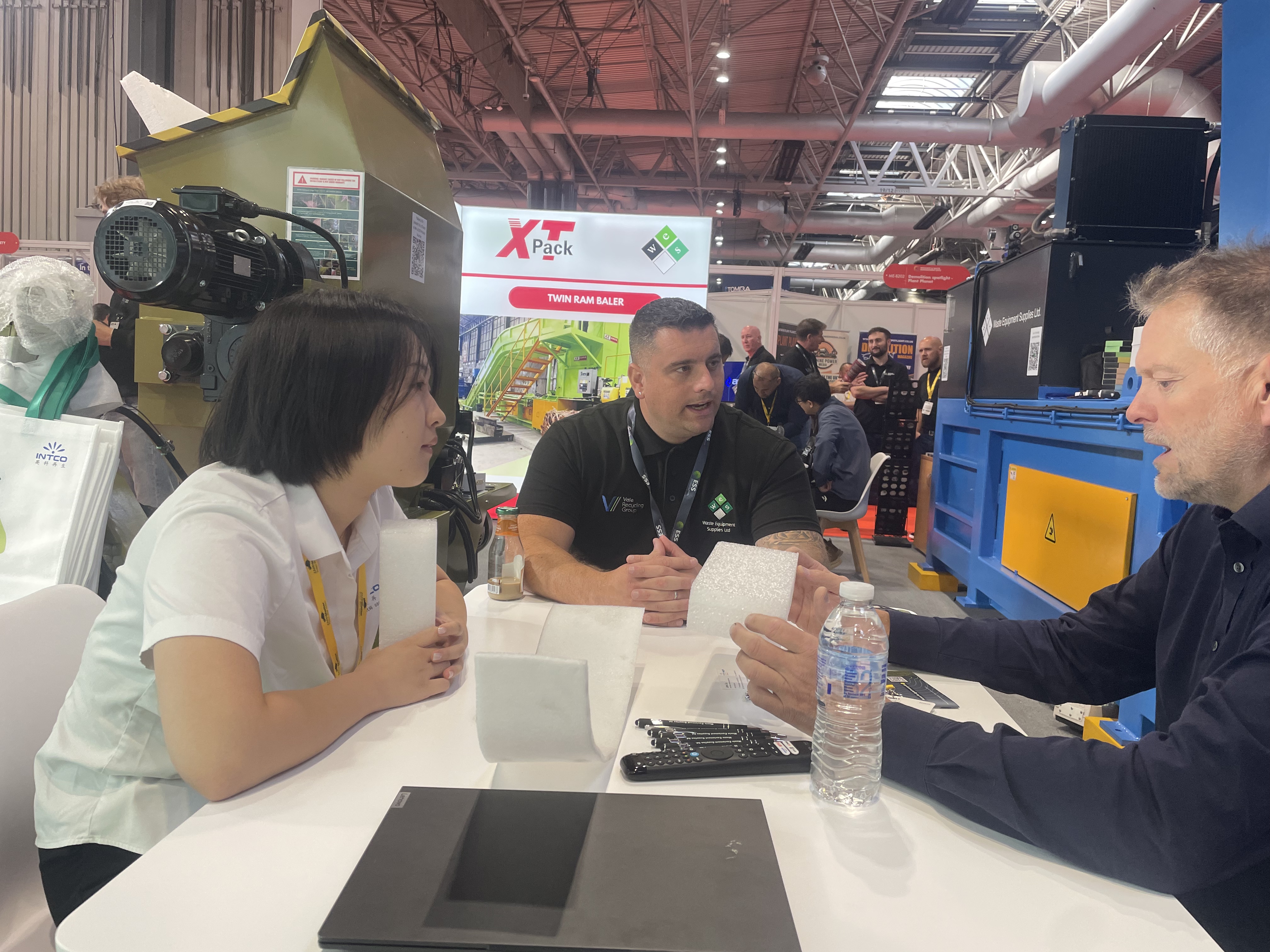
Foam waste can vary significantly, even when it is all described as EPS.
Distribution centres and appliance warehouses often deal with large moulded packaging pieces. Manufacturers may generate more consistent production offcuts, while recyclers can receive material from a wider range of sources, sometimes mixed with labels, tape, cardboard or other contaminants.
These differences directly affect equipment configuration.
For large moulded foam, the first consideration is whether the material can be fed into the machine efficiently. Pre-shredding may be required where pieces are oversized. Cleaner, more consistent production offcuts are generally easier to process continuously. Where waste is more mixed, sorting and contaminant removal need to be addressed first, otherwise downstream recycling may still be affected after compaction.
Before selecting a machine model, it is more useful to confirm the source of the waste, its size, cleanliness and regular waste volume. Once these conditions are clear, it becomes much easier to determine the required throughput and equipment configuration.
When Does On-Site Cold Compaction Make Sense?
On-site cold compaction is generally more suitable for businesses that generate foam consistently, keep the material relatively clean and already have a clear downstream recycling route.
If loose EPS regularly fills storage areas, collections are frequent and a recycler can accept compacted material, adding a volume-reduction step on site can have a clear operational benefit.
The cold compaction equipment displayed by GREENMAX at RWM uses mechanical screw compression without melting the foam. After processing, loose material is formed into denser blocks that can be stacked and stored more efficiently, then collected in larger batches when required.
However, a dedicated compaction system may not be necessary for every business. If only small quantities of foam are generated each month, or the existing collection arrangement already works efficiently, installing additional equipment may bring limited benefit.
The key question is therefore not simply whether the foam can be compacted, but whether compaction will materially improve the existing collection, storage and transport process.
How Compaction Fits Existing Waste Handling
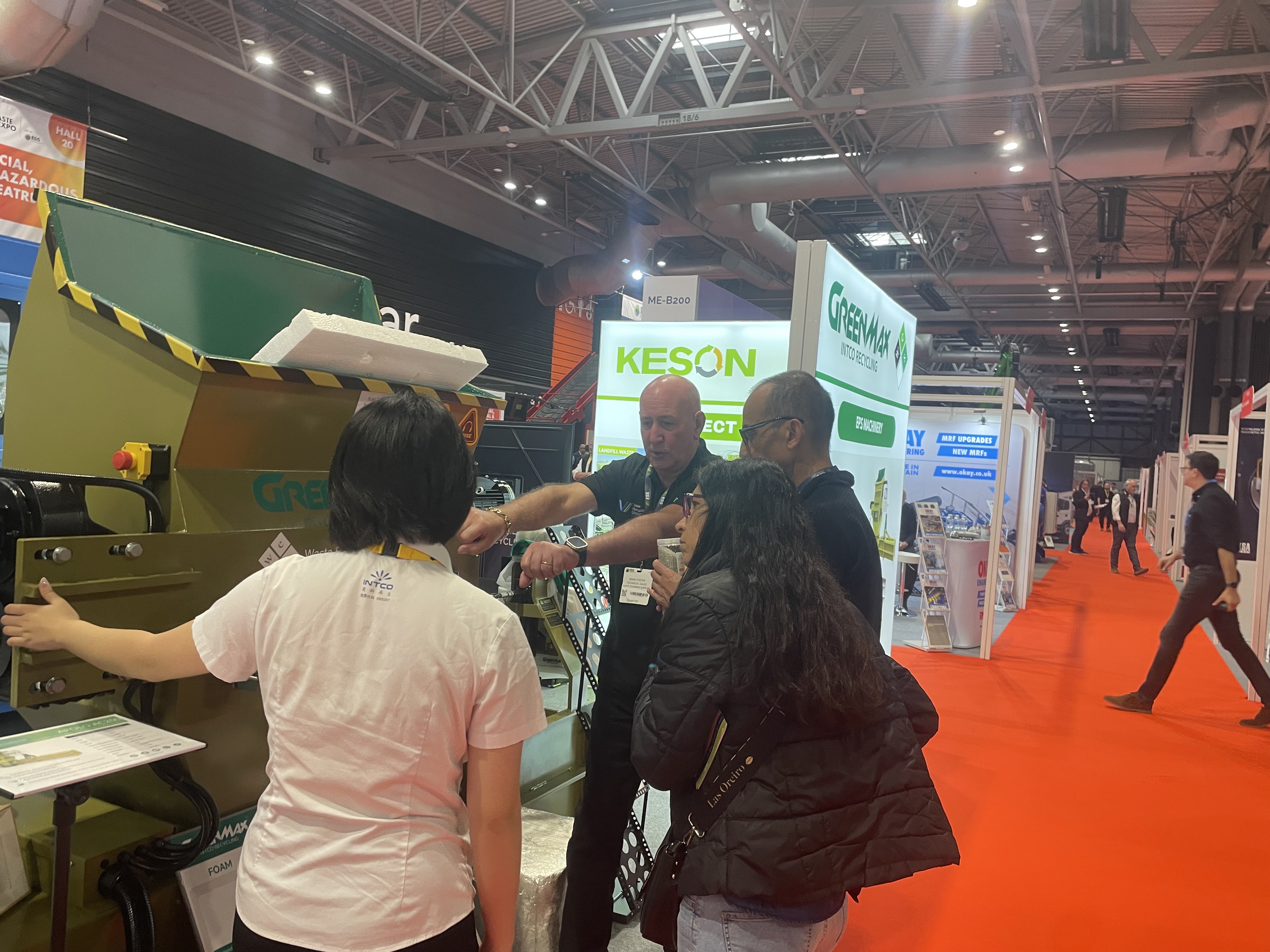
Many discussions at RWM came back to how foam waste is already handled on site.
Distribution centres are often more concerned with how much space loose EPS occupies and whether collection frequency can be reduced. Manufacturers may focus on whether production offcuts require pre-shredding, whether they can be fed continuously and whether machine capacity matches daily waste generation.
Waste management companies and specialist recyclers face a different set of conditions. They may collect foam from several customers and need to consider whether different materials should be separated, as well as how compacted foam will be stored and moved into downstream recycling.
A machine may have enough capacity on paper, but that does not mean it will automatically fit the site. Feeding arrangements, available storage space and the downstream recycling route all affect how well the system works in practice. Equipment selection therefore needs to be considered together with the site’s existing waste-handling process.
UK Waste Disposal Costs Continue to Rise
From 1 April 2026, the standard Landfill Tax rate in England and Northern Ireland increased from £126.15 to £130.75 per tonne.
Because Landfill Tax is charged by weight, compacting foam does not directly reduce the tax itself. For EPS and other materials that already have an established recycling outlet, the main value of on-site volume reduction is to improve storage and transport, making it easier to consolidate material before sending it to a specialist recycler.
A stable downstream outlet therefore remains an important part of any foam compaction project.
From RWM Discussions to Follow-Up Projects
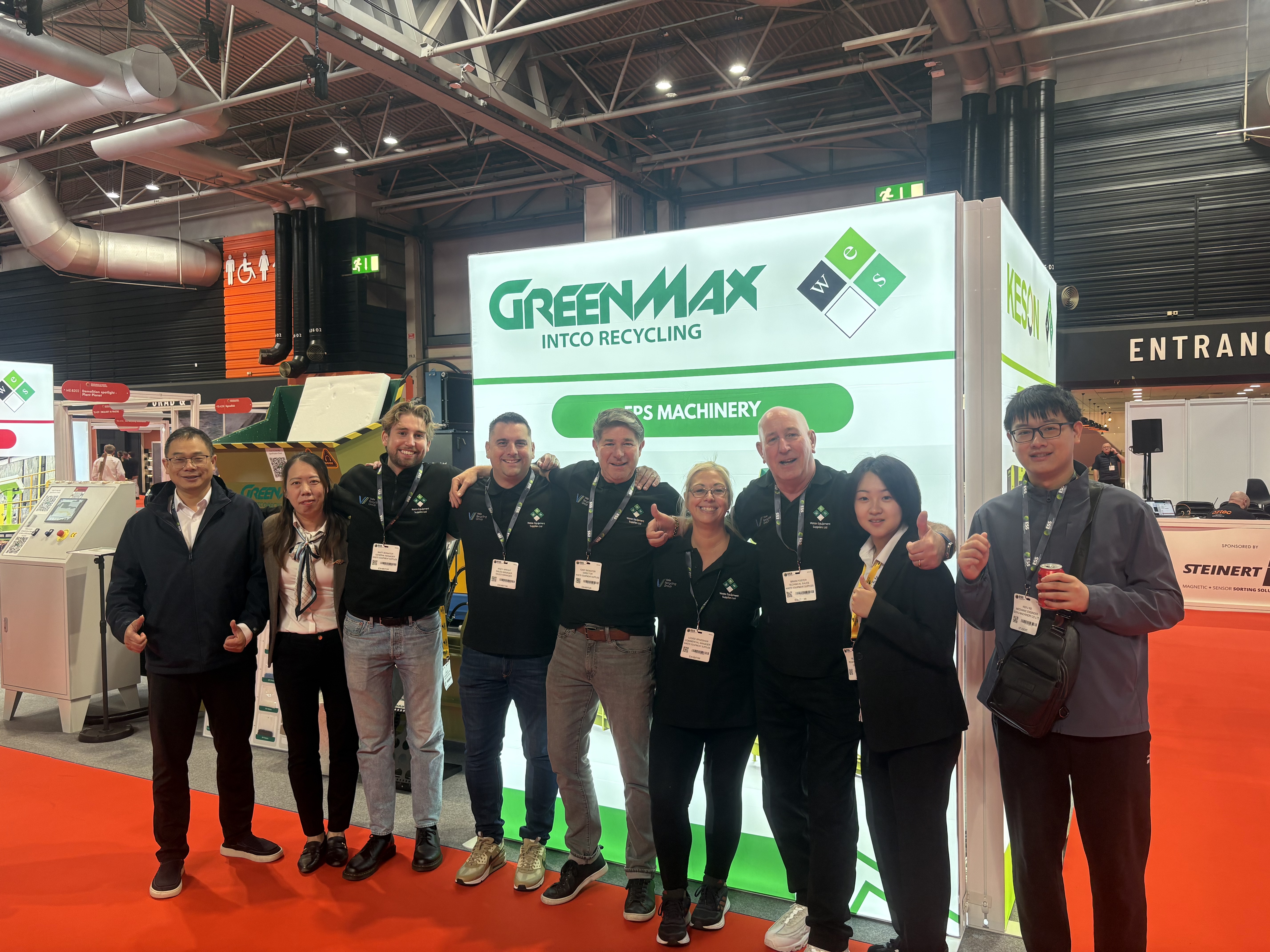
During RWM Expo 2026, the GREENMAX team spoke with a range of foam waste generators and recycling companies. Some visitors were focused on packaging EPS, while others discussed EPE, EPP and related materials.
For projects with defined requirements, the next stage after the exhibition will involve material confirmation, equipment selection and, where necessary, testing.
Thank you to all the customers, partners and industry professionals who visited the GREENMAX stand during RWM Expo 2026.