
 Select Languange
 English
 Spanish
 Polish
 Japanese
 Italy
Italy
How UK Furniture Retailers Can Recycle EPS Packaging
For UK furniture retailers offering unpacking, assembly and packaging removal, delivery crews can return EPS corner protectors, protective bases and moulded supports to the depot once the job is complete. When packaging from several delivery rounds arrives at the same site, loose foam can soon fill collection containers and take up space needed for unloading and storage.
Collecting the packaging is only the first stage. Retailers also need to decide where it will be sorted, how to manage its volume and who will accept it for recycling.
Where expanded polystyrene (EPS) packaging is collected regularly, on-site compaction can turn bulky foam into dense blocks for onward recycling. Whether a depot needs a machine depends on the quantity returned, the handling involved and the collection arrangements already available.
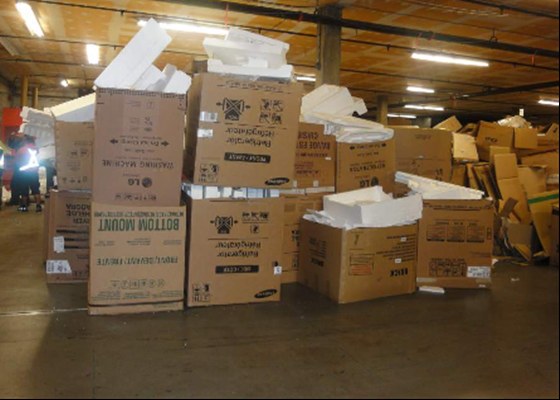
Separate Polystyrene Packaging During Unpacking
When unpacking forms part of the delivery service, crews can separate rigid polystyrene packaging from cardboard, plastic film and other materials at the customer’s property. Keeping these materials apart reduces the sorting work required back at the depot.
Furniture packaging may contain EPS alongside flexible polyethylene foam and other cushioning materials. Staff should not identify the material simply as “white foam”. Photographs of common corner protectors, protective bases and supports can clarify what belongs in the EPS collection. Where the material is uncertain, check the packaging supplier’s information.
Remove film, tape and other attachments according to the recycler’s acceptance requirements. Suitable bags or designated containers help keep fragments together and prevent them from mixing with general waste. Larger pieces also need a place in the vehicle that allows the crew to continue deliveries or load returned furniture.
Bringing packaging back on an existing delivery route may reduce the need for a separate collection journey. It still takes loading time and vehicle space, so the arrangement should account for the remaining deliveries and other return loads.
When Does On-Site Compaction Make Sense at a Depot?
A depot can be a practical collection point when delivery vehicles return there each day. EPS from several routes can be unloaded into a designated area and processed in batches, reducing the need to move loose foam between sites.
Stores managing their own deliveries may prefer a local arrangement. Transporting loose packaging to a distant distribution centre adds handling and haulage, so the processing location should reflect existing routes, staffing and available space. Retailers with several sites may need different arrangements at each one.
If staff regularly move foam to clear unloading or picking areas, the packaging is already adding work to the depot’s routine. Containers that fill quickly but hold relatively little weight are another reason to compare the current arrangement with compaction.
The recycling outlet also matters. Some collectors accept loose EPS, while others require compacted blocks. Obtain their acceptance and collection terms before deciding how on-site processing would fit the operation.
A store producing small, irregular quantities may be adequately served by an existing collection service. A depot receiving foam consistently, with limited storage or costly loose-material collections, has a stronger reason to assess a polystyrene compactor.
Compact Furniture Packaging into Blocks for Storage and Transport
Even after sorting, EPS corner protectors and protective bases remain bulky. If a depot needs to accumulate material before a recycler collects it, compaction reduces the storage space required during that waiting period and makes the packaging easier to prepare for transport.
Cold compaction breaks down the foam and uses screw pressure to form dense blocks. The GREENMAX APOLO cold compactor uses this process to reduce EPS volume by up to 50:1, helping depots store collected packaging in less space and prepare it for onward transport.
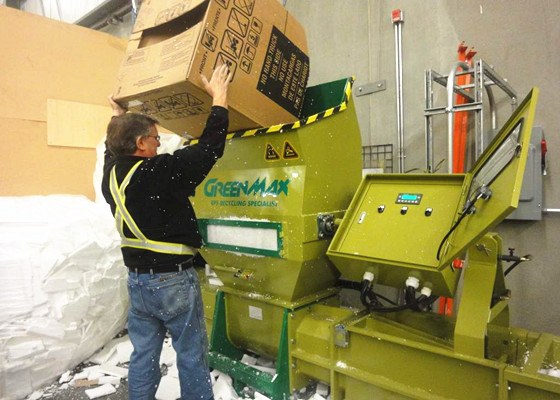
Packaging dimensions affect the feeding arrangement. Large protective bases, long edge protectors and irregular supports should be included in the material assessment to establish whether they fit the feed opening and need any preparation. The machine’s ability to accept the depot’s everyday packaging is as relevant as its volume reduction ratio.
If operators need to remove film or cut up most pieces beside the machine, preparation will take up more of the available processing time. Separating materials during unpacking and selecting a suitable feed opening and crusher configuration can reduce this work.
The layout should also follow the unloading routine. Keeping the collection area close to the feed position limits internal movement, while the discharge end needs space for transferring blocks and stacking them on pallets. Conveyor options can be discussed where the volume or handling distance warrants them.
For a trial, supply typical intact packaging pieces as well as smaller fragments. Observe the preparation involved, how readily material feeds and how the finished blocks are handled. This gives a more useful picture of day-to-day operation than testing only small, uniform samples.
Plan Processing Around Delivery Returns
EPS arrivals often follow the delivery schedule. Several vehicles returning within a short period can create a substantial batch of packaging, even when the total daily weight is manageable.
Record the weight returned on ordinary and busy delivery days, then compare it with the effective processing time staff can provide. Bag or cage counts help describe storage needs, but weighing representative loads gives a better basis for assessing EPS compactor capacity.
If processing takes place after all vehicles return, allow space for packaging to wait until that session begins. If staff process smaller batches throughout the day, check that the staffing and feeding arrangements can support the routine.
Include confirmed expansion plans in the assessment. Additional delivery routes, a wider service area or packaging returned from more stores can change both the quantity received and the timing of arrivals.
Agree a Recycling Outlet for the Compacted EPS
Compacted EPS is easier to store and transport, but it still needs to meet the recycling partner’s requirements. Agree the accepted material, contamination limits, block condition and collection quantity before finalising the sorting and storage arrangements.
Keep other foam materials separate from EPS. Mixed polymers, film and other contaminants can affect acceptance and further processing, so the quality of the blocks starts with how packaging is collected.
Clean compacted EPS may have a resale value. The actual return depends on material quality, accumulated quantity, transport distance and market conditions. Use the recycling partner’s terms when estimating income.
Provide a designated area for blocks and prepare them for loading according to the collector’s requirements. Recording output weights and collected quantities helps the depot monitor stock and track the material sent for recycling.
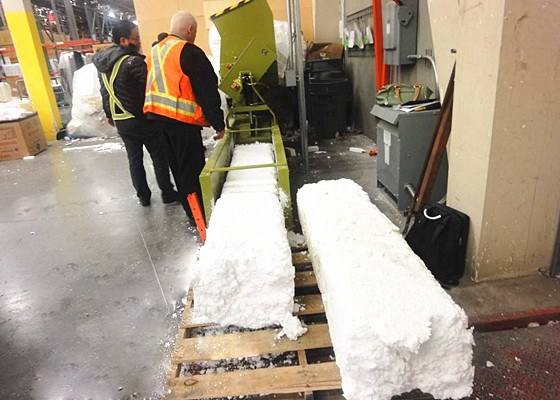
When assessing the investment, compare current collection, storage and handling costs with equipment, electricity, maintenance, labour and onward transport costs. For some depots, the main benefit is freeing working space and reducing repeated handling. Sites accumulating suitable blocks consistently can also assess potential material revenue.
To discuss recycling EPS packaging from your furniture operation, share photographs and dimensions of typical packaging, daily or weekly EPS weights, and the processing time available. Explain where unpacking takes place and how the material is currently collected. GREENMAX can use these details to discuss a suitable compactor, feeding configuration and layout for the depot.