 Select Languange
 English
 Spanish
 Polish
 Japanese
 Italy
Italy
EPS and XPS Foam Recycling Solutions for UK Businesses
What Is the Difference Between EPS and XPS Foam?
EPS and XPS are both polystyrene materials used across the UK in packaging, building insulation and product protection. They start from similar raw material, but they are manufactured differently and offer different performance in use.
EPS foam is lightweight, economical and widely used for protective packaging, fish boxes, appliance transit protection and some insulation applications. XPS foam is denser and usually offers stronger compressive performance together with better moisture resistance, which makes it more common in insulation boards and construction settings where durability matters.
For UK businesses, the key issue is not only how EPS and XPS perform in use, but also how difficult they are to handle after use. Both become bulky waste streams that occupy valuable floor space and are expensive to move unless they are compacted or melted on site.
Why EPS and XPS Foam Recycling Matters in the UK
Across the UK, companies in warehousing, retail distribution, construction and food logistics often deal with growing volumes of polystyrene waste. Foam is light, but it takes up too much space in skips, storage areas and loading bays. That means the real cost often comes from handling and transport rather than from the material itself.
When loose EPS or XPS is left unmanaged, it quickly creates pressure on storage capacity and housekeeping. That is why more businesses are searching for EPS foam recycling solutions in the UK that reduce waste volume at source and make onward transport more practical.
A suitable polystyrene recycling machine in the UK can help reduce collection frequency, free up storage space, improve waste segregation and support site efficiency.
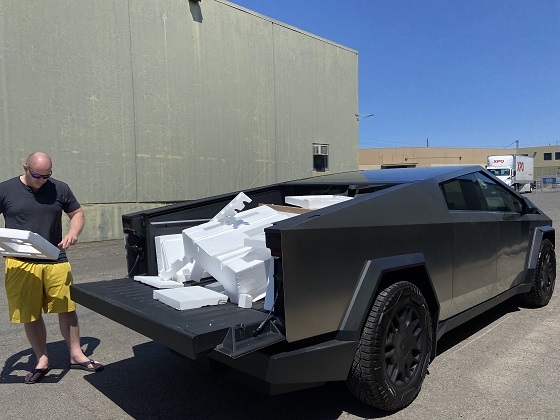
GREENMAX EPS and XPS Foam Recycling Solutions in the UK
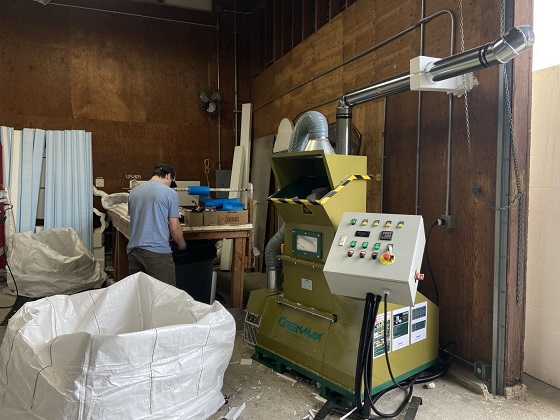
GREENMAX offers practical recycling equipment for UK businesses that generate polystyrene waste from packaging, insulation or commercial operations. Depending on the material type, moisture level and waste volume, businesses can choose from compacting, melting or crushing solutions.
Recommended Machine Options
• Polystyrene compactor: suitable for dry EPS packaging, warehouse protection foam and bulky transit waste. Compresses loose foam into dense blocks for easier storage and transport.
• Hot melter: suitable for businesses that want denser output and a more compact material form for downstream handling.
• Foam crusher: useful for reducing oversized foam pieces before compaction or further recycling.
Which UK Industries Can Benefit Most?
• Warehouses and distribution centres
• Appliance, furniture and electronics suppliers
• Construction and insulation material businesses
• Food logistics and seafood packaging operators
• Manufacturing sites with protective packaging waste
• Waste handling and recycling companies
How GREENMAX Helps UK Businesses Reduce Foam Waste
Instead of paying to transport large volumes of air, UK businesses can process EPS and XPS waste on site and convert it into a denser, more manageable form. This reduces storage pressure and improves operational control over foam waste handling.
For companies comparing disposal against recycling, on-site densification is often the step that makes recovery more realistic. The right EPS foam recycling machine in the UK can reduce clutter, improve handling and support a more consistent waste management workflow.
Conclusion
If your business is dealing with bulky polystyrene waste, the right EPS and XPS foam recycling solution in the UK can help reduce costs, save space and improve site efficiency. GREENMAX offers compactors, hot melters and foam crushers that help UK businesses handle foam waste more effectively and move towards a cleaner recycling process.