 Select Languange
 English
 Spanish
 Polish
 Japanese
 Italy
Italy
Understanding ESPR Regulations: A Practical Guide for Retailers and Packaging Brands
The EU’s Ecodesign for Sustainable Products Regulation (ESPR) is reshaping how products are designed, sold, and managed at end of life. For retailers and brand owners, ESPR is not only a legal requirement – it is a chance to reduce waste, cut costs, and build a stronger sustainability story.
At GREENMAX, we focus on one of the most challenging waste streams: expanded and extruded polystyrene (EPS/XPS) packaging. Under ESPR, the way you handle this bulky material can significantly impact your compliance and your brand image.
What ESPR and the Digital Product Passport Mean for Your Business
ESPR introduces stricter ecodesign rules, requiring products sold in the EU to be more durable, repairable and recyclable throughout their lifecycle. In parallel, the Digital Product Passport (DPP) will make product data – including materials and recycling options – more transparent and accessible.
For retailers and manufacturers, this has three practical implications:
You must prove that products and packaging support circularity, not just disposal.
You need reliable data on materials and their recycling routes for the DPP.
You must minimise the “destruction” of unsold or returned products – and ESPR even considers recycling a form of destruction, pushing businesses towards reuse, refurbishment and closed-loop models where possible.
EPS Waste Under ESPR: From Cost Burden to Circular Resource
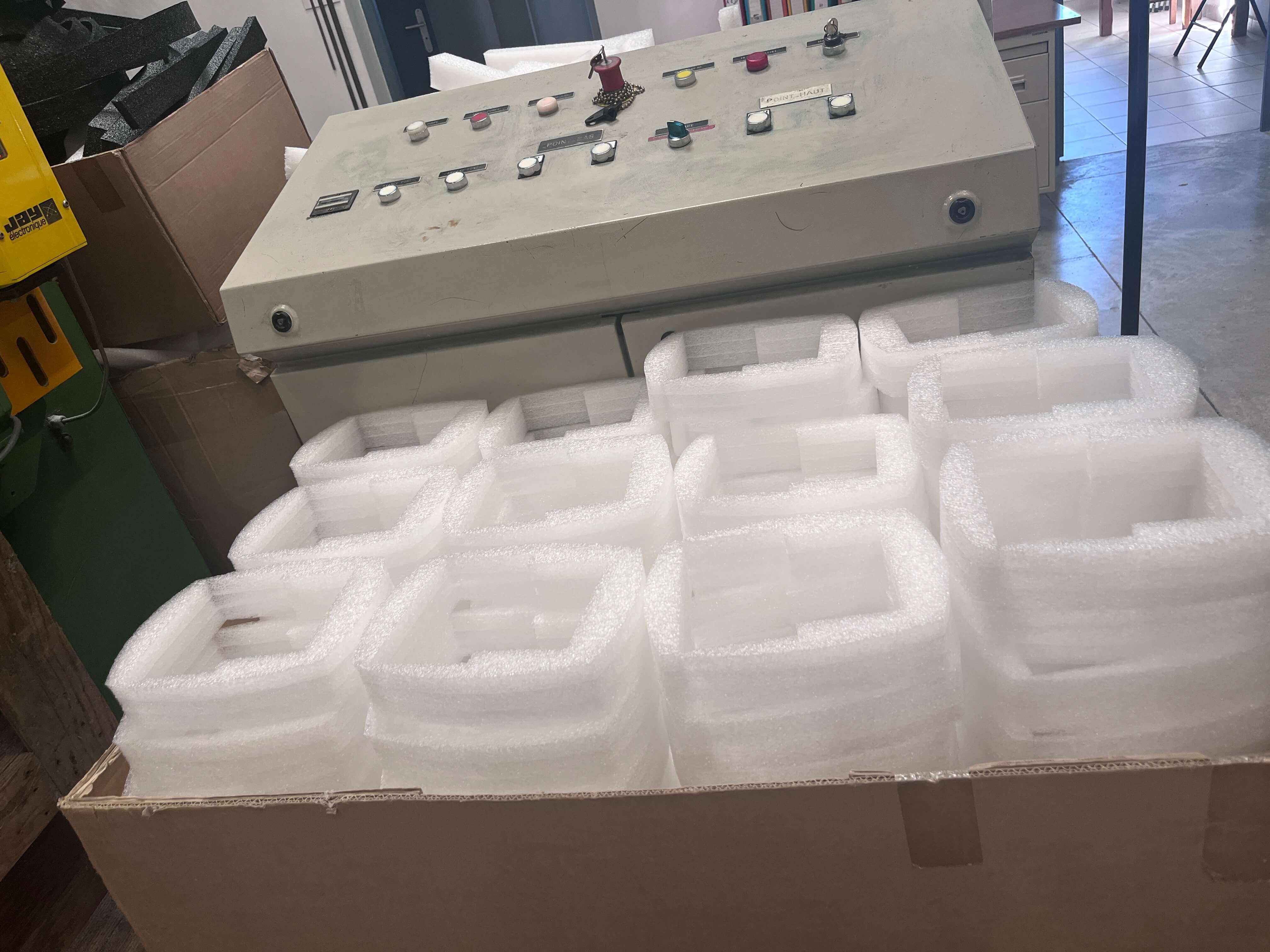
EPS and XPS are light but bulky, consuming valuable storage and logistics space. Traditionally, many businesses have landfilled or low-value recycled this material. Under ESPR, that approach is increasingly risky and expensive.
By installing GREENMAX polystyrene compactors, retailers and brand owners can:
Densify loose EPS/XPS into high-value ingots that are easy to store and transportCreate traceable recycling streams that feed directly into new plastic products
Support DPP data with clear information on recycled content and end-of-life routes
Demonstrate that unsold or returned packaged goods are managed in a circular, not destructive, way
How GREENMAX Supports ESPR Compliance and Circular Goals
GREENMAX solutions are designed to help you align operations with ESPR requirements while improving efficiency:
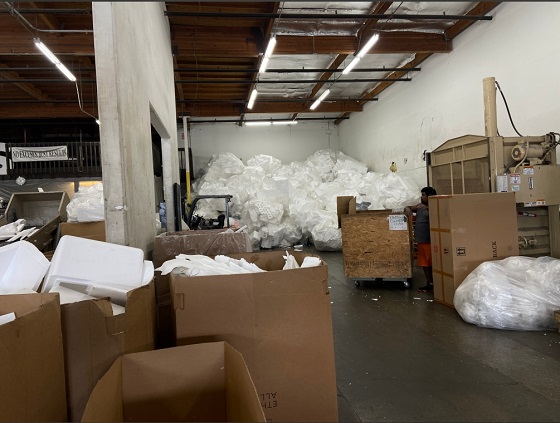
Efficient EPS/XPS collection and compaction in distribution centres, warehouses and retail back-of-house
Stable recycling outlets through our global network, turning waste polystyrene into a secondary raw material
Data support to help your sustainability and compliance teams quantify volumes, diversion rates and CO₂ savings
Stronger ESG narrative, showing customers and regulators that your brand is actively reducing waste and supporting a circular economy
Steps Retailers Can Take Now
To prepare for ESPR and future DPP obligations, retailers and packaging-intensive brands can:
1. Map where EPS/XPS and other plastic packaging arise in your supply chain.
2. Replace landfilling or low-value disposal with on-site compaction and certified recycling.
3. Work with recycling partners like GREENMAX to capture data on material flows.
4. Integrate this data into your product and packaging information to support upcoming DPP requirements.
Call to Action
ESPR is accelerating the shift from “take–make–waste” to true circularity. If you want to turn EPS waste from a cost centre into a compliant, traceable resource, GREENMAX is ready to support you with proven equipment and recycling solutions for the European and American markets.
Contact GREENMAX today to discuss how our EPS recycling systems can help your business meet ESPR expectations while improving operational efficiency.