
 Select Languange
 English
 Spanish
 Polish
 Japanese
 Italy
Italy
UK RAM 2027 Update: Building a Practical Recycling Route for EPS Packaging
On 20 August 2026, PackUK and Defra updated the Recyclability Assessment Methodology 2027 (RAM 2027), which applies to the 2027 reporting year.
Under the UK's packaging Extended Producer Responsibility system (pEPR), relevant large producers need to assess and report the recyclability of household packaging based on this methodology.
For EPS packaging, which is not currently included in the UK's common or limited kerbside collection categories, establishing a practical recycling route is becoming increasingly important.
Official source: https://www.gov.uk/government/publications/assess-packaging-recyclability-recyclability-assessment-methodology-ram-2027
Why Does EPS Packaging Need a More Practical Recycling Route?
EPS (expanded polystyrene) is widely used to protect white goods, electronics, furniture and other fragile products during transportation.
However, after products are unpacked, EPS packaging can become a waste handling challenge. The material is lightweight but takes up a large amount of space.
For white goods retailers, appliance distribution centres, warehouses and manufacturers, loose EPS packaging waste can quickly occupy storage areas, increase collection frequency and reduce transport efficiency.
Although EPS has recycling value, the challenge is often not whether the material can be recycled, but how businesses can store and transport it efficiently before it reaches downstream recycling facilities.
According to the UK's 2027 kerbside collection lists, EPS or polystyrene foam packaging is not currently included in common or limited household collection categories.
This means businesses handling EPS packaging may need to consider dedicated collection and recycling arrangements rather than relying only on traditional kerbside systems.
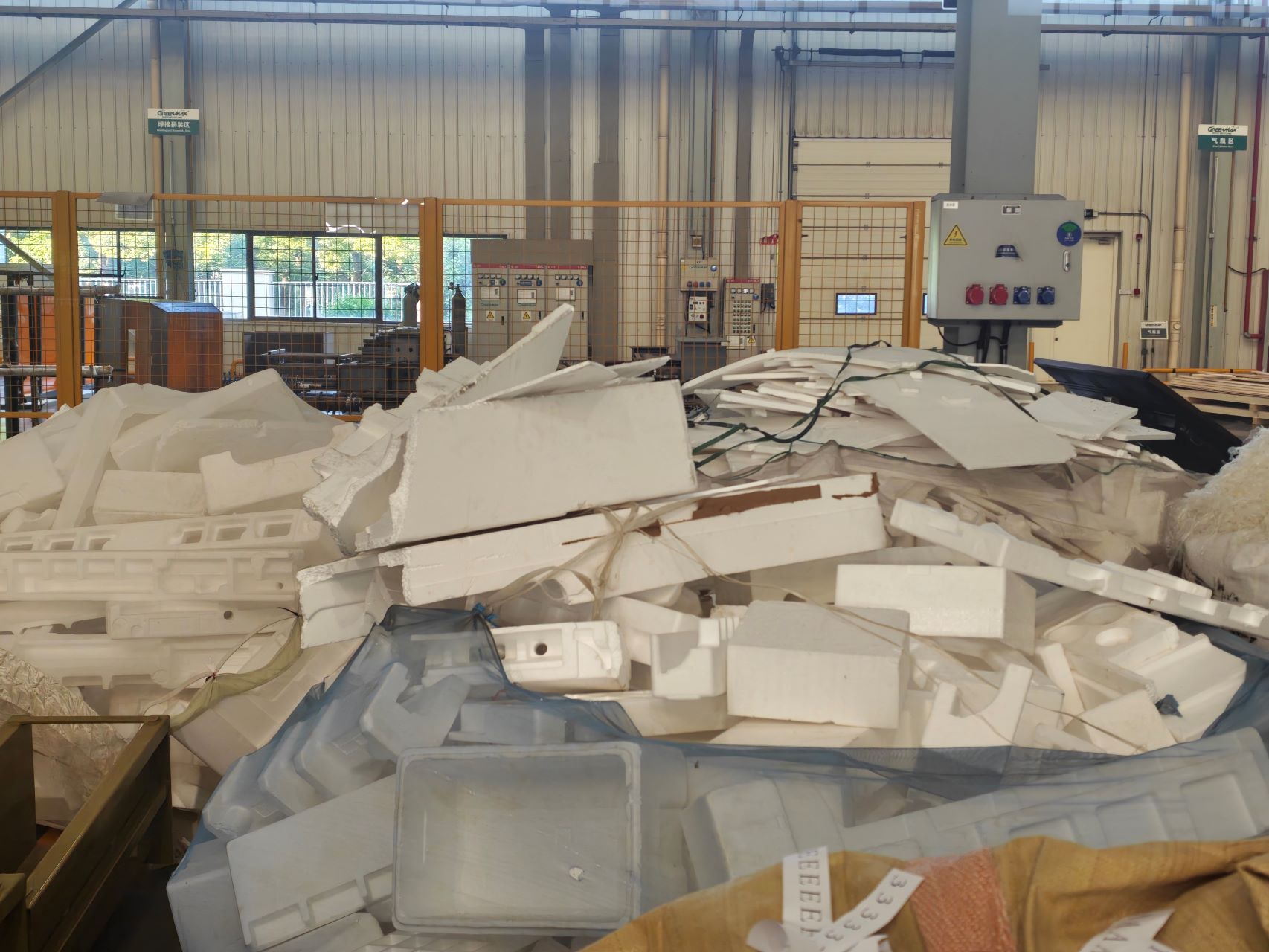
Building a More Practical EPS Recycling Route
As RAM 2027 places greater emphasis on practical recycling outcomes, businesses are increasingly focusing on whether packaging can actually enter effective collection, sorting and recycling systems.
For EPS packaging waste, reducing storage and transportation pressure is an important consideration when building a stable recycling approach.
Reducing the volume of loose foam helps businesses use storage space more efficiently, improve transport efficiency and make downstream EPS recycling more practical.
For large retailers, distributors and manufacturers with controlled waste streams, separating EPS packaging from general waste can also improve recycling management.
How Can EPS Compaction Improve EPS Recycling Efficiency?
For businesses generating consistent volumes of EPS packaging waste, reducing the material volume at the source can significantly improve handling efficiency.
An EPS compactor or polystyrene compactor can process loose EPS packaging into dense blocks, reducing storage requirements and improving transportation efficiency.
Compared with loose foam, compacted EPS is easier to stack, store and transport, making it more suitable for collection and further recycling.
For businesses requiring greater volume reduction, an EPS hot melt densifier can process EPS through crushing, hot melting and extrusion to create high-density ingots.
Unlike mechanical compaction, hot melt densification uses heating and extrusion technology to achieve greater volume reduction and produce denser output material.
The suitable solution depends on foam type, waste volume, available space and recycling requirements.
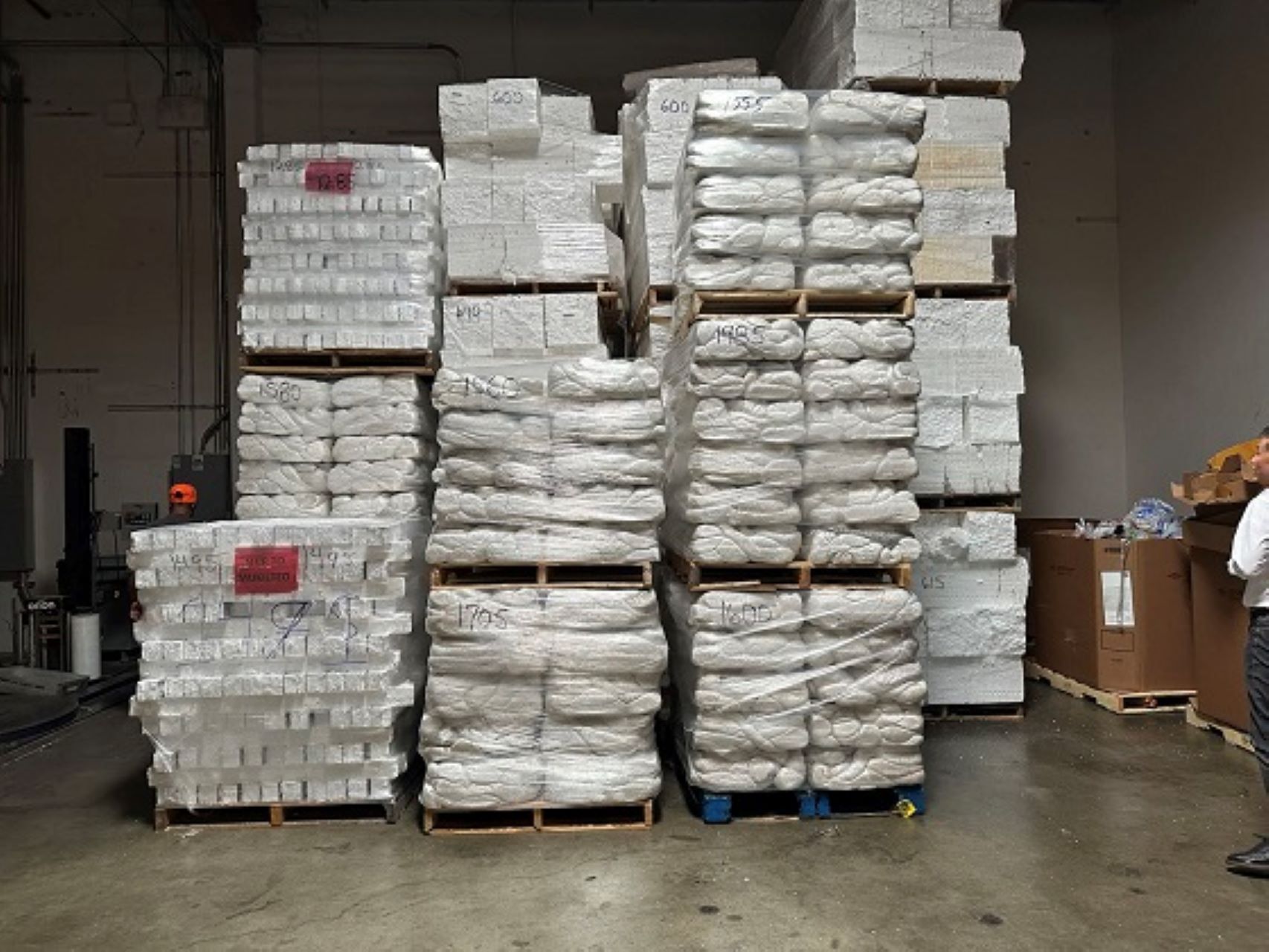
Which UK Businesses Can Benefit from EPS Densification?
EPS volume reduction is particularly suitable for businesses that regularly generate clean packaging foam, including:
- White goods retailers
- Appliance distribution centres
- Furniture warehouses
- Logistics companies
- Manufacturers receiving products with EPS protection
Before selecting equipment, businesses should consider:
- The amount of EPS packaging waste generated each day or week
- Current storage requirements for loose foam
- Waste collection frequency
- EPS material condition
- The planned recycling route
Understanding these factors helps businesses evaluate whether on-site EPS compaction or hot-melt densification is suitable for their operation.
If your business is evaluating an on-site EPS volume reduction solution in the UK, you can provide information about your waste type, estimated volume and current handling method. GREENMAX can help analyse your operating conditions and recommend a suitable equipment configuration.
Please Note About RAM 2027 Requirements
Installing an EPS compactor or densifier does not automatically change a packaging item's RAM 2027 rating, nor does it by itself satisfy all pEPR or take-back scheme requirements.
Equipment mainly improves front-end collection, storage and transport efficiency.
A complete recycling route also depends on material separation, collection arrangements, downstream reprocessing capacity and traceability.
Frequently Asked Questions
1. What is RAM 2027? RAM 2027 is the UK's Recyclability Assessment Methodology under the packaging EPR system. Relevant large producers use this methodology to assess the recyclability of household packaging during the 2027 reporting year.
2. Is EPS packaging recyclable in the UK? Yes. EPS can be recycled when it is properly collected and processed. However, because EPS foam packaging is not currently included in common or limited kerbside collection categories, businesses often need to consider a more suitable recycling route.
3. What is the difference between an EPS compactor and an EPS hot melt densifier? An EPS compactor reduces foam volume through mechanical compression without heating. An EPS hot melt densifier uses heating and extrusion technology to process foam through crushing, hot melting and extrusion, creating high-density ingots. The suitable solution depends on foam type, processing volume, available space and recycling requirements.
4. Can an EPS compactor improve a RAM 2027 rating? Not directly. An EPS compactor reduces volume and improves storage and transport efficiency. RAM ratings also consider collection, sorting, reprocessing, end markets and supporting evidence. Installing equipment alone does not guarantee a different rating.