 Select Languange
 English
 Spanish
 Polish
 Japanese
 Italy
Italy
EPP Foam Recycling in the UK: Packaging Policy Pressure, Waste Pain Points and the GREENMAX Solution
EPP foam is widely used in the UK for protective packaging, automotive components, returnable transport packaging and cold-chain boxes. It is strong, lightweight and resilient, which makes it valuable during distribution. But after goods are unpacked, the same lightweight structure becomes a waste-management problem: loose EPP foam takes up space, fills skips quickly and is expensive to transport.
As UK packaging policy puts more responsibility on producers and importers, companies need a credible route for foam packaging waste. GREENMAX helps UK businesses reduce EPP foam volume with compacting and densifying equipment, then supports recycling through buy-back of qualified EPP foam blocks or ingots.
UK EPP Foam Industry Development Trends
EPP foam demand is linked to several practical market trends in the UK:
• E-commerce and protective packaging continue to require materials that reduce product damage.
• Cold-chain logistics for food, seafood, pharmaceuticals and direct-to-consumer deliveries need lightweight insulated boxes.
• Automotive and manufacturing supply chains use EPP trays, inserts and dunnage because the material is durable and impact resistant.
• Reusable packaging systems are becoming more attractive as companies try to reduce single-use packaging waste.
• Waste contractors and recyclers increasingly prefer clean, sorted and densified plastic streams over loose mixed waste.
The opportunity is clear: if a company can separate EPP from general waste and compact it into consistent blocks or ingots, the material can move from cost centre to recoverable resource.
Government Policy Information: EPR and Plastic Packaging Tax
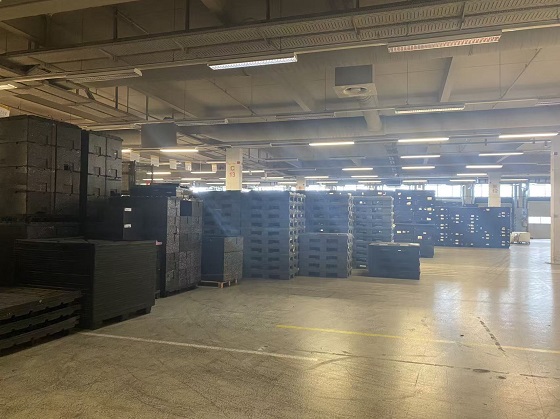
The UK's packaging policy landscape is changing quickly. Under packaging Extended Producer Responsibility (EPR), organisations that import or supply packaging may be responsible for costs related to dealing with packaging waste. For 2025-2026, the published UK EPR base fee for plastic packaging is GBP 423 per tonne. From year 2 of EPR, 2026-2027, fees are expected to be modulated using recyclability ratings, with red-rated packaging paying more and green-rated packaging paying less.
The UK Plastic Packaging Tax also affects packaging strategy. From 1 April 2026, the rate is GBP 228.82 per tonne for taxable plastic packaging, and the policy is designed around a recycled-content threshold. Businesses should confirm their own obligations with compliance advisers, but the direction is clear: packaging that is difficult to recycle, hard to document or dependent on virgin plastic faces more scrutiny.
For companies that generate EPP packaging waste, a recycling system can support cost control and sustainability reporting. It also demonstrates that foam packaging is not simply being discarded after one use.
Why Foam Packaging Exists
Foam packaging is produced because it solves real supply-chain problems. EPP foam is used when products need protection without excessive weight. It can cushion impact, resist moisture, insulate temperature-sensitive goods and survive repeated handling.
• In automotive logistics, moulded EPP packaging protects parts and supports returnable transport systems.
• In electronics and appliance distribution, EPP inserts help reduce damage rates.
• In food and pharma logistics, EPP boxes help maintain temperature performance.
• In manufacturing, EPP dunnage can be reused many times before recycling.
The packaging itself is not the enemy. The real challenge is creating an end-of-life system that matches the material's advantages. Loose EPP should be collected, compacted and sold into recycling channels instead of occupying valuable warehouse and skip space.
Pain Points for UK EPP Foam Waste Generators
• Skip inefficiency: loose foam fills containers quickly while contributing little weight.
• High haulage cost: transporting air is expensive, especially from distribution centres and factories.
• Site congestion: bags and cages of foam can block aisles and loading areas.
• Contamination: tape, labels, food residue and mixed polymers can reduce recycling value.
• Unclear recycling outlet: many businesses do not know who will accept EPP in commercial volumes.
• Customer pressure: brands and buyers increasingly ask suppliers to prove packaging recyclability.
GREENMAX EPP Foam Recycling Solution for UK Businesses
GREENMAX offers a practical solution built around machine volume reduction and material buy-back.
1. Separate EPP at the source. Keep EPP foam away from general waste, wet waste and other plastics.
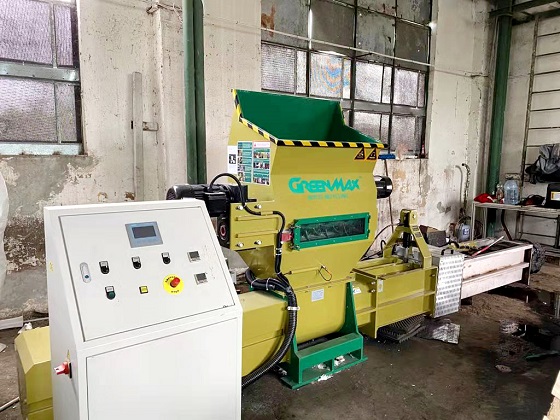
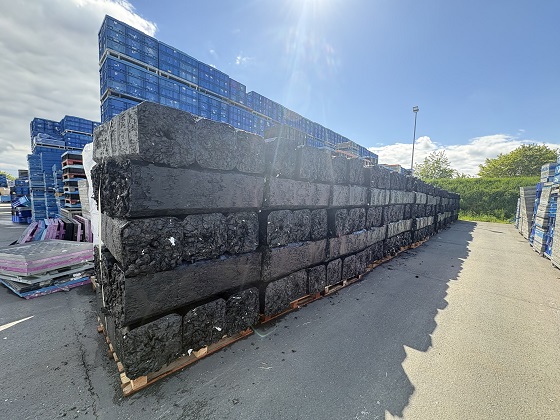
2. Install a GREENMAX foam compactor or densifier. Loose EPP packaging is processed into dense blocks or ingots that are easier to stack and transport.
3. Reduce haulage and storage pressure. Densified EPP takes up far less space than loose foam and can be stored until an economical collection quantity is reached.
4. Prepare material for downstream recycling. Consistent blocks or ingots are more practical for recyclers than loose mixed foam.
5. Use GREENMAX buy-back support. Qualified EPP foam blocks or ingots can be bought back at a typical reference range of USD 300-500 per tonne, subject to quality, density, colour, moisture, contamination, quantity and market conditions.
For UK companies, the strongest value comes from combining operational savings with a clearer sustainability story. Instead of paying repeatedly to dispose of bulky foam, businesses can process EPP into a transportable recycling commodity.
Best-Fit Industries
• Food and seafood distributors using EPP insulated boxes.
• Pharmaceutical and healthcare logistics companies using temperature-controlled packaging.
• Automotive suppliers using EPP trays, inserts and returnable dunnage.
• 3PL warehouses and fulfilment centres receiving EPP protective packaging.
• Manufacturers with clean EPP offcuts, rejects or end-of-line material.
FAQ About EPP Foam Recycling in the UK
Is EPP foam recyclable in the UK?
Yes. EPP is expanded polypropylene and can be recycled when it is clean, dry and separated from other materials.
How can UK companies reduce EPP foam disposal costs?
The most effective first step is volume reduction. A GREENMAX foam compactor or densifier turns loose EPP packaging into dense blocks or ingots, helping companies reduce storage space, transport frequency and waste handling costs.
Does EPP foam packaging relate to UK EPR or Plastic Packaging Tax?
UK businesses should assess their own obligations. Packaging EPR shifts packaging waste management costs toward producers, while Plastic Packaging Tax may apply to certain plastic packaging that does not meet recycled content requirements.
What EPP materials should be kept out of the recycling stream?
Keep out food residue, mixed plastics, wet material, metal, wood, tape-heavy waste and non-EPP foam where possible.
Can GREENMAX buy back EPP blocks or ingots in the UK?
GREENMAX can discuss buy-back for qualified EPP blocks or ingots. The typical reference range is USD 300-500 per tonne, depending on market conditions, material quality, colour, density, moisture level and contamination level.
What information is needed for a machine recommendation?
Share photos or videos of the EPP waste, monthly volume, working hours, available space, power conditions, target bale or block size and collection requirements.