 Select Languange
 English
 Spanish
 Polish
 Japanese
 Italy
Italy
UK EPP Recycling: Policy, Impacted Sectors and GREENMAX Solutions
Expanded Polypropylene (EPP) is everywhere in UK supply chains: in automotive dunnage, insulated boxes, reusable transit crates and protective packaging. It’s lightweight, impact-resistant and 100% recyclable, but its bulk makes disposal expensive.
With the UK tightening packaging regulation, companies using EPP can no longer treat it as a low-visibility waste stream. A clear recycling route is now a financial as well as an environmental necessity.
UK Policy Landscape for EPP and Plastic Packaging
Extended Producer Responsibility (EPR) for Packaging
The UK’s new packaging Extended Producer Responsibility regime is being implemented through the Producer Responsibility Obligations (Packaging and Packaging Waste) Regulations 2024.
Key points for any business placing EPP packaging on the UK market:
Full net cost recovery: Large producers must now cover the full costs of managing household packaging waste, shifting the burden away from local authorities.
Material- and recyclability-based fees: Fees will depend on packaging type and its recyclability. Easy-to-recycle mono-material formats are favoured.
Data and reporting duties: Producers must report packaging volumes by material and use category, including reusable transport packaging.
For EPP users, this means that designing clearly recyclable, mono-material EPP packaging and proving a robust recycling route can directly reduce compliance costs.
Plastic Packaging Tax (PPT)
Alongside EPR, the Plastic Packaging Tax applies to plastic packaging with less than 30% recycled content. From 1 April 2025, the rate is £223.69 per tonne for liable packaging manufactured or imported into the UK, with registration required above 10 tonnes per year.
Although reusable EPP transit packaging may fall outside the core PPT scope in some setups, any single-use EPP packaging or components with insufficient recycled content will increase costs. Designing closed-loop EPP systems and maximising recycled PP content is therefore both a tax and sustainability strategy.
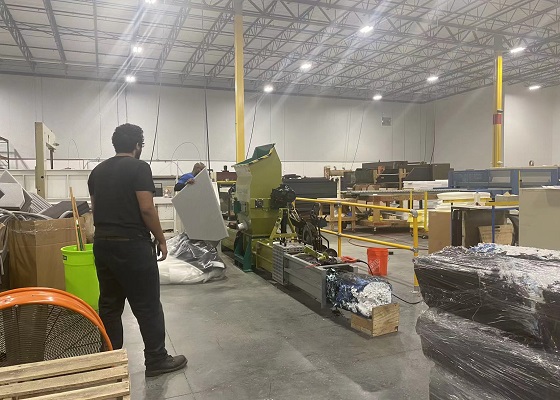
Which UK Industries Are Most Exposed on EPP Recycling?
Because EPP is light, tough and shock-absorbent, it has become a go-to material in several UK sectors:
Automotive and EV supply chains
Reusable EPP trays, dunnage and component carriers for bumpers, dashboards, battery modules and electronics.
High volumes and frequent loop returns make EPP recycling a key lever for meeting OEM sustainability targets and avoiding rising packaging fees.
Food, drink and grocery logistics
EPP and similar foams are widely used for insulated fish boxes, chilled delivery crates and impact protection.
The new EPR packaging charges — with fees for plastic packaging reported in the hundreds of pounds per tonne — are already being blamed for adding cost pressure in the UK food sector.
E-commerce, 3PL and parcel networks
Protective EPP endcaps and inserts protect high-value goods in transit.
Under EPR, high-volume “commonly binned” packaging is a cost hotspot, so proving recyclability and recovery routes is increasingly important.
Electronics and appliances
TVs, IT equipment and white goods often ship with moulded EPP protection.
Without dedicated recovery, this foam quickly becomes a bulky, chargeable waste stream.
For all of these sectors, the question is no longer whether to recycle EPP, but how to do it economically at scale.
GREENMAX EPP Recycling Solutions for the UK Market
INTCO Recycling, under the GREENMAX brand, specialises in foam recycling and offers complete solutions for EPS, EPE and EPP.
On-site EPP volume reduction
GREENMAX EPP foam compactors and densifiers:
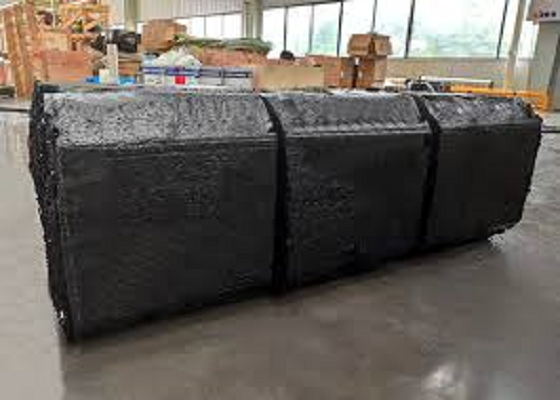
Crush and compress loose EPP into dense blocks, cutting volume by up to 50:1, which directly reduces storage, handling and transport costs.
Handle mixed foam waste streams (EPP, EPS, EPE, XPS), ideal for logistics hubs and automotive plants with varied packaging formats.
Can be tailored for specific EPP applications in the UK automotive and industrial sectors, including custom in-plant layouts and feeding systems.
Closing the loop with buy-back
EPP’s low density has historically made recycling uneconomic, but foam densifier technology changes that equation:
Densified EPP blocks or pellets can be bought back by GREENMAX/INTCO and used as feedstock for new PP products, creating a genuine circular loop.
This turns a disposal cost into a potential revenue stream, while also improving your evidence for EPR recyclability assessments and sustainability reporting.
Compliance and sustainability benefits
By implementing on-site EPP recycling with GREENMAX, UK businesses can:
Demonstrate high recycling rates for packaging waste, supporting EPR obligations.
Reduce exposure to rising packaging-related taxes and fees by shifting from disposal to material recovery.
Cut CO₂ and transport emissions by compacting foam at source instead of moving loose material.
Practical Next Steps for UK EPP Users
To align your EPP strategy with UK policy and cost pressure:
Map your EPP flows – quantify where EPP is used (transport trays, protective packaging, insulated boxes), and in what tonnages.
Model your EPR and PPT exposure – link EPP volumes and formats to producer fees and tax liabilities.
Design an EPP recycling loop – deploy GREENMAX EPP compactors at plants, DCs or key customers; consolidate densified blocks; and feed them into a buy-back or downstream recycling route.
Done well, EPP recycling in the UK is no longer just a compliance box-tick. It can become a visible part of your cost-saving and sustainability story.