 Select Languange
 English
 Spanish
 Polish
 Japanese
 Italy
Italy
How EPS Recycling Machines Help Retailers Cut Operational Costs
In modern retail, margins are tight and every line on the P&L is under scrutiny. Energy, transport and labour costs are closely watched, but one area still slips under the radar in many chains: waste handling, especially expanded polystyrene (EPS) packaging. Lightweight but extremely bulky, EPS quickly fills skips and bins, driving up collection costs and eating into storage space that should be used for stock.
EPS recycling machines give retailers a practical way to regain control of this “invisible” cost centre. By compressing loose EPS into dense blocks directly on site, stores turn awkward waste into a manageable, high-value material while reducing the time staff spend handling it.
The hidden cost of EPS waste in retail
Retailers in sectors such as electronics, appliances, furniture and food distribution deal with a constant flow of EPS protective packaging. Without an EPS recycling machine, this material typically ends up in open cages or wheelie bins, which overflow fast. That means more internal handling, more trips to outside containers, more collections and higher haulage fees. It can also block loading bays and back-of-house corridors, slowing goods in and creating safety and compliance risks.
How an EPS recycling machine creates savings
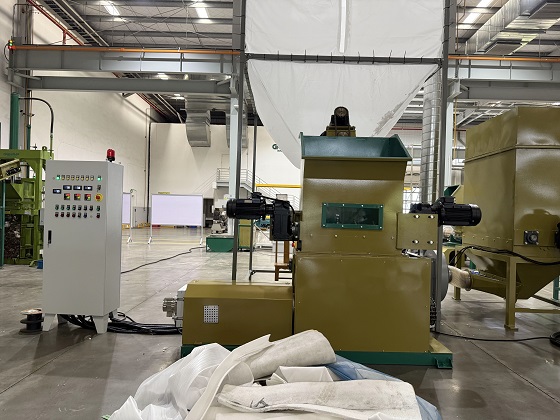
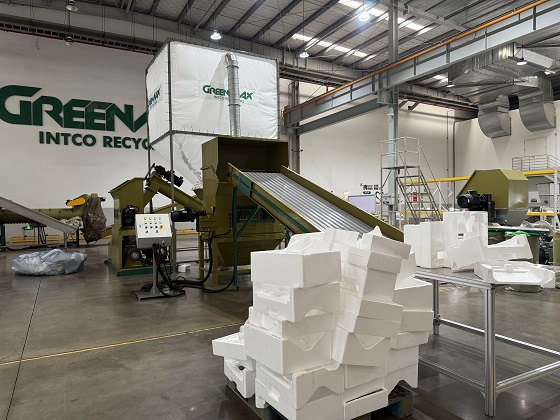
Installing an EPS recycling machine close to the point where packaging is removed changes the economics of waste. Staff feed loose EPS into the machine as they unpack goods. The machine compresses it into compact blocks that are easy to stack and store. Because the volume is reduced by up to 90–95%, retailers can cut the number of collections, reduce vehicle movements and negotiate better rates with waste contractors.
There is also a revenue upside. Densified EPS is a sought-after secondary raw material for manufacturers who use it in new products or insulation. Instead of paying to move air, retailers can sell bales or blocks to recyclers, offsetting waste costs and, in some cases, turning EPS into a small profit stream.
Flexible investment options for every store format
Not every retailer wants to commit capital to new plant. Many suppliers therefore offer EPS recycling machines on rental or finance plans that include servicing and preventive maintenance. This allows single sites, retail parks and national networks to access high-performance equipment with predictable monthly costs, and to scale capacity in line with seasonal peaks or network growth.
Supporting ESG goals and future regulations
Beyond pure cost savings, EPS recycling machines help retailers strengthen their environmental performance. Less EPS sent to landfill and fewer collection trucks on the road mean lower carbon emissions. Clean, segregated recycling streams also make it easier to demonstrate compliance with packaging and recycling regulations and to meet internal ESG targets, which is increasingly important for investors, landlords and brand-conscious customers.
Turning EPS recycling into a competitive advantage
For retailers under pressure to do more with less, on-site EPS recycling is a straightforward win. It cuts waste handling costs, frees valuable floor space, improves safety and housekeeping, and supports credible sustainability claims. By partnering with an experienced supplier and choosing the right EPS recycling machine for each location, retail businesses can turn a stubborn waste problem into an operational advantage.
You have not enough Humanizer words left. Upgrade your Surfer plan.