
 Select Languange
 English
 Spanish
 Polish
 Japanese
 Italy
Italy
Foam Compactor for UK Supermarkets: A Simple Fix for Bulky EPS/EPE/EPP Behind the Store
In a supermarket, waste is all about rhythm: deliveries come in, shelves get filled, packaging comes off, and the back-of-house needs to stay clear.
Foam packaging breaks that rhythm.
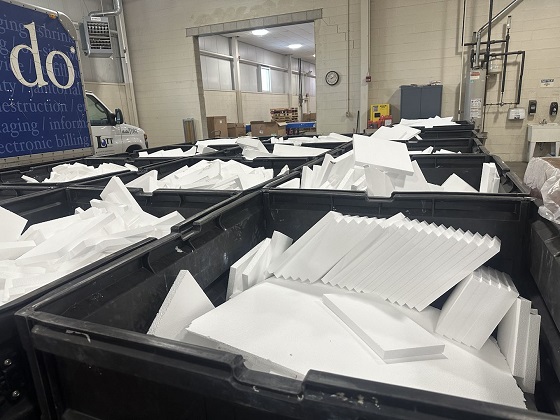
EPS fish boxes, EPE protective sheets, EPP inserts from chilled or fragile deliveries—none of it weighs much, but it eats space fast. Before long, the service yard is stacked with bulky bags and broken pieces, and you’re booking collections more often than you’d like.
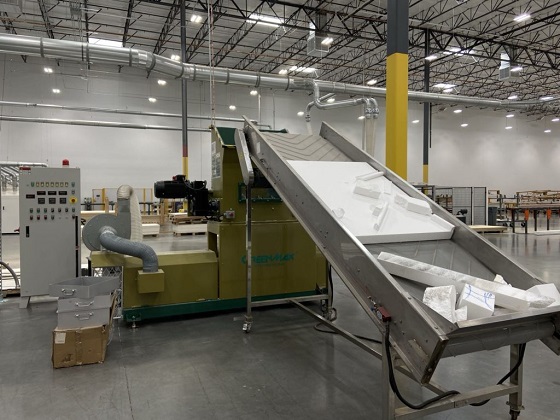
A foam compactor (foam recycling machine) solves this problem where it starts: on-site, behind the store. It turns EPS/EPE/EPP into dense, stackable blocks so you can store more, move less, and keep the yard under control.
Why Foam Becomes a Supermarket Cost Problem (It’s Volume, Not Weight)
Foam waste usually creates the same three operational headaches in UK retail:
Low payload collections: bins and skips “look full” long before a truck is actually full by weight.
Space pressure: loose foam takes up the best usable area—right where you need movement and safety.
More handling: staff end up wrestling awkward bags and broken pieces instead of running a clean, repeatable process.
If you’re paying for frequent collections, the cost is rarely the foam itself—it’s the logistics.
What a Foam Compactor Does (And Why Recycling Gets Easier)
A foam compactor densifies loose foam into solid blocks:
1. Staff feed EPS/EPE/EPP at a designated point
2. The machine compresses and densifies the material
3. Compact blocks come out, ready to stack and store
What changes behind the store
You stop “storing air”
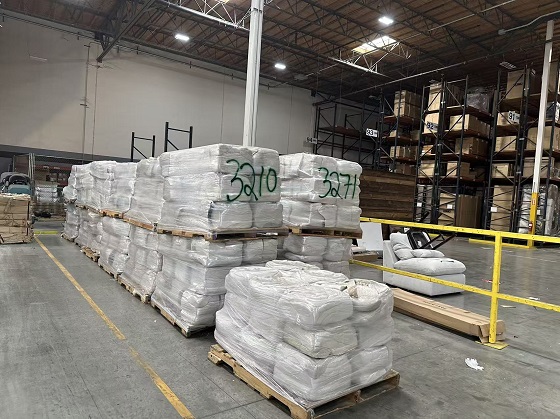
Collections become less frequent because you’re shipping dense material, not loose volume
Storage becomes safer and tidier (blocks are predictable; loose foam is not)
Why compacted foam is more recyclable
Keeping foam separate and compacted makes it easier to handle and transport. In the UK, industry sources highlight EPS recycling routes and the importance of proper collection and handling—compaction supports that operationally.
A Back-of-House Workflow That Actually Works in Supermarkets
The best supermarket setups are boring—in a good way.
Step 1: Create a foam-only drop zone
Put it near the unpacking point, not “somewhere outside later”.
Step 2: Keep it clean
Remove obvious contamination (liners, food residues, excessive tape). The cleaner the foam, the easier the downstream route.
Step 3: Compact little and often
Daily or per-shift compaction prevents foam from taking over the yard and keeps your site presentation consistent.
Step 4: Stack blocks safely
Blocks are easier to palletise, count, and schedule for pickup.
This simple routine also supports Duty of Care habits—clear waste streams, consistent descriptions, fewer collections to manage.
Community Foam Drop-Off: A Smart Local Service (Done the Right Way)
Your idea is workable: supermarkets can act as a convenient local point for foam drop-off—especially where household recycling options are limited or confusing.
But it needs guardrails.
What to communicate clearly (to avoid headaches)
Accepted materials: EPS/EPE/EPP only (no mixed rubbish)
Condition: clean and dry (no food residue, no liquids)
Packaging rules: drop-off loose foam only (or bagged as you specify), no business waste from trades
What to consider on the compliance side
UK waste rules can vary by nation (England/Scotland/Wales/NI), and running a collection point may trigger requirements around how waste is stored and whether an exemption/position statement applies. Government guidance covers temporary storage at collection points and regulatory positions/exemptions, each with conditions.
Also, commercial waste movements typically require the right paperwork (waste transfer notes / Duty of Care documentation) when waste leaves the site.
Practical takeaway:
You can absolutely frame this as a community-friendly initiative, but the page should include a short “how we run it” section (accepted items + clean rules + storage method + pickup partner), so it feels responsible and operational—not promotional.
Choosing a Foam Recycling Machine for EPS/EPE/EPP in Retail
For supermarkets, the right compactor is the one that fits the back-of-house reality:
Foam mix: EPS + EPE + EPP (confirm your dominant stream and contamination risk)
Daily volume: not just average—peaks matter (seasonal promos, bulk deliveries)
Space & access: safe feeding area, clear walkways, simple staff workflow
Block handling: where blocks will be stacked/palletised before pickup
A good supplier will scope this from your store format and delivery profile, not just send a generic spec sheet.
FAQ (UK Supermarkets) — Foam Compactor / Foam Recycling Machine
Can one compactor handle EPS, EPE and EPP?
Many sites deal with mixed foam. Suitability depends on foam type and the density you need. We normally scope this during a site assessment.
Does compacting foam guarantee it will be recycled?
Compaction makes recycling far more practical by lowering storage and transport costs, but you still need a downstream route and low contamination.
Do we need paperwork when the compacted foam is collected?
For business waste movements, waste transfer documentation is commonly required (Duty of Care).
Can a supermarket accept foam from local residents?
Potentially, yes—but treat it like a managed collection point with clear acceptance rules and compliant storage/handling. Relevant government guidance exists on collection points and exemptions/conditions.
What’s the biggest mistake in foam recycling behind stores?
Letting foam “bank up” until it becomes a yard problem. Small, frequent compaction keeps it under control.
GREENMAX for UK Supermarkets: Compact Foam On-Site, Reduce Collections, Keep the Yard Clear
If EPS/EPE/EPP is taking over your back-of-house, a foam compactor is one of the most practical upgrades you can make. It cuts the space problem first—and the collection problem follows.
GREENMAX supports supermarket foam compaction setups from on-site volume reduction to transport-ready block output, with a workflow designed for real retail operations.