
 Select Languange
 English
 Spanish
 Polish
 Japanese
 Italy
Italy
EPS Recycling: Turning “Unrecyclable” Foam into a Useful Resource
Expanded polystyrene, better known as EPS, shows up everywhere: in appliance packaging, takeaway food boxes, insulated fish boxes and protective corner blocks in shipping cartons. It’s light, cheap and great at absorbing shocks—but that same lightness makes EPS recycling a challenge.
What Is EPS Recycling?
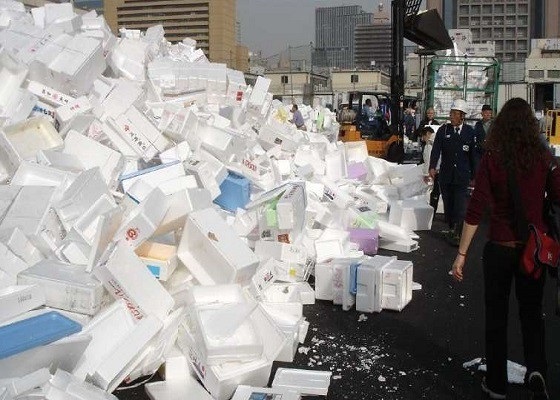
EPS is 98% air and only about 2% plastic. That means a large volume and very little weight. Traditional recycling systems are built for dense materials like glass, metals and rigid plastics. When loose EPS goes into a bin, it fills trucks quickly, drives up transport costs and often ends up being landfilled or incinerated.
EPS recycling solves this problem by changing the material’s form before it travels. Common methods include:
Compacting: EPS is mechanically compressed into dense blocks that are easier to transport and store.
Melting or densifying: Heat or friction turns EPS into small ingots or pellets.
Re-granulation: Densified EPS can be processed into granules for making new plastic products.
Once densified, recycled EPS can be used to produce picture frames, hangers, decorative mouldings, construction products and more.
Why EPS Recycling Matters
Without EPS recycling, foam waste is bulky and can quickly overwhelm landfills. Because it is so light, it also blows away easily and becomes visible litter along roadsides, rivers and coastlines. When EPS is recycled instead, companies reduce:
Landfill space usage
Transport frequency and costs
Demand for virgin polystyrene
For brands facing stricter packaging regulations and sustainability targets, setting up a closed-loop EPS recycling system is no longer a “nice to have”—it’s becoming part of standard environmental compliance.
How Businesses Can Start EPS Recycling
Implementing EPS recycling in a warehouse, factory or distribution center is usually a three-step process:
1. Segregate EPS at the source
Keep EPS separate from general waste. Clean, white EPS used for protective packaging is the easiest to recycle.
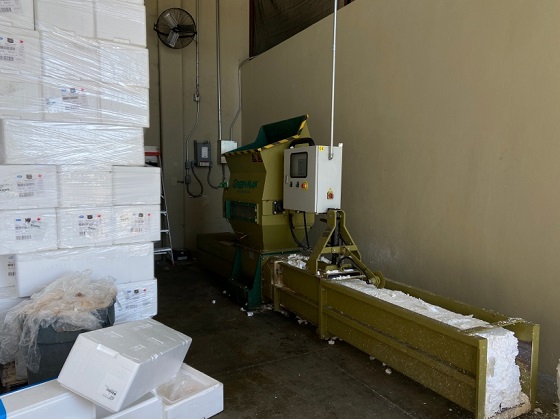
2. Install an EPS compactor or densifier
Machines shred and compress EPS, reducing the volume by up to 50:1 or more. The output is dense blocks or bricks that can be stacked on pallets.
3. Partner with a recycler or buyer
Recyclers purchase densified EPS as a raw material. Some offer regular collection schedules once your site produces enough volume.
For large users of packaging—such as electronics manufacturers, furniture distributors or e-commerce fulfillment centers—these steps can quickly turn a waste cost into a small but steady revenue stream.
EPS Recycling and Brand Image
Consumers are paying attention to packaging waste. When companies highlight their EPS recycling efforts on product pages, shipments and corporate sustainability reports, they strengthen trust and differentiate themselves from competitors still sending foam to landfill.
Clear signage in facilities, staff training and simple procedures make EPS collection routine rather than an extra chore. Over time, this becomes part of a broader circular packaging strategy.