
 Select Languange
 English
 Spanish
 Polish
 Japanese
 Italy
Italy
EPP Foam Recycling in the UK: Cut Volume, Lower Handling Costs, and Build a Practical Reuse Route for 2026
As more “new energy” manufacturers (EV components, battery modules, power electronics) expand into Europe, UK warehouses and assembly sites are dealing with a very specific by-product: EPP foam packaging waste.
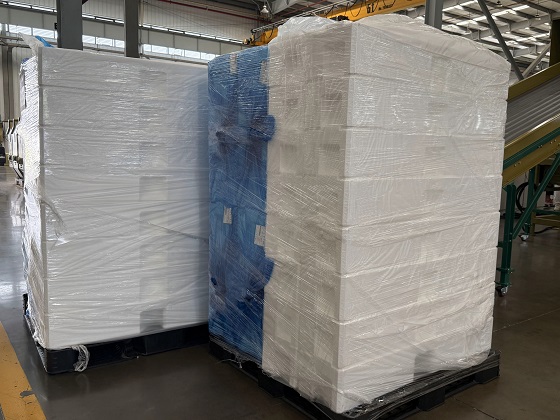
EPP (expanded polypropylene) is tough, lightweight, and shock-absorbing—ideal for protecting high-value parts. But once it becomes waste, it behaves like most foams: it’s bulky, it takes up space, and it drives up collections because you’re paying to move volume, not weight.
At the same time, the UK’s packaging policy direction is pushing costs and accountability closer to producers and supply chains. Defra and PackUK have published illustrative waste disposal fees for Year 2 (2026–2027) under packaging EPR, and modulation based on recyclability is part of the roadmap.
GREENMAX supports UK operations with EPP recycling solutions that start with densification/compaction (volume reduction) and can scale to material recovery and reuse when your foam stream is clean and consistent.
Why EPP foam becomes a serious warehouse problem (fast)
1) It’s a space and handling issue before it’s a disposal issue
EPP fills cages, skips and storage areas quickly. The hidden costs show up in:
extra forklift moves and labour time
“temporary” storage turning into permanent clutter
more frequent collections driven by air
2) Packaging costs are becoming more visible in 2026
UK packaging extended producer responsibility (pEPR) is designed to make producers financially responsible for managing household packaging waste, rather than local authorities and taxpayers.
And with 2026–2027 fee signals already being published, many businesses are tightening internal controls over packaging waste streams—especially plastics and foams.
3) Plastic Packaging Tax keeps recycled content on the agenda
The UK Plastic Packaging Tax (PPT) applies to plastic packaging with less than 30% recycled content and has an official rate of £223.69 per tonne from 1 April 2025.
Multiple professional summaries of the Autumn 2025 Budget updates report a rise to £228.82 per tonne from 1 April 2026.
Even if your EPP foam itself isn’t your PPT liability item, the broader message across procurement and packaging is consistent: recycled content and credible end-of-life routes matter more each year.
The GREENMAX route for EPP in the UK: from “too bulky” to reusable PP material
EPP is polypropylene-based foam, which means it can be recycled—but it needs the right workflow.
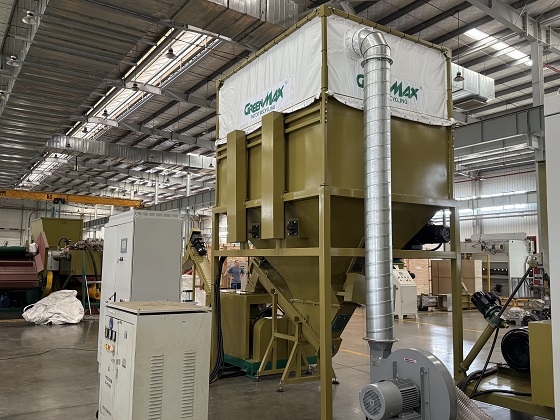
Step 1 — Densification/compaction (fast operational win)
Most UK sites start here because it fixes the immediate pain:
1. Major volume reduction for storage and transport
2. Cleaner waste areas and easier segregation
3. More predictable collections
4. Better economics for downstream recyclers (where available)
If your issue is “EPP is taking over the warehouse,” densification is usually the quickest way to get control.
Step 2 — Material recycling and reuse (when your stream is clean)
When your EPP is clean, sorted and consistent, you can move beyond volume reduction:
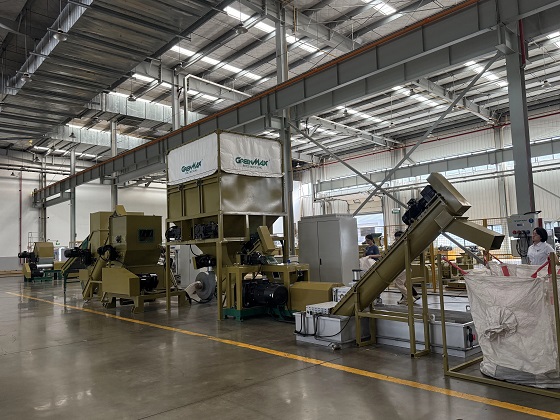
1. Size reduction (shredding)
2. Melt processing / extrusion (system dependent)
3. Output as recycled PP material for reuse pathways, subject to quality requirements
The key is discipline: a stable EPP stream can become a usable material stream. A mixed or contaminated stream usually stays a cost centre.
What we check before sizing a system
1. EPP purity: keep other foams and mixed plastics out
2. Contamination sources: tapes, labels, dust, oils
3. Throughput reality: steady flow vs shipping peaks
4. Site constraints: footprint, loading access, H&S considerations
Common UK use cases (EV & battery supply chain)
1. 3PLs and distribution centres: densify EPP to stop it consuming floor space and collection budget
2. Assembly / integration sites: create a “clean EPP only” stream, densify, then evaluate material recovery once stable
3. Tier suppliers: mono-spec EPP packaging is often the easiest starting point for consistent recycling outcomes
FAQ — EPP foam recycling in the UK (2026-ready)
1) What is EPP foam, and why is it used so much in EV packaging?
EPP is expanded polypropylene foam: lightweight, resilient, and impact-resistant—great for protecting high-value parts during transport.
2) Is EPP foam recyclable?
Yes. Because EPP is polypropylene-based, it can be recycled—provided it’s properly sorted and not heavily contaminated.
3) Why do most sites start with densification/compaction?
Foam’s biggest cost driver is volume. Densifying first cuts storage and haulage costs immediately and makes downstream recycling far more practical.
4) Can EPP be turned into reusable material?
It can, when the input is consistent and clean. The more disciplined the segregation, the better the output quality and the more realistic reuse becomes.
5) How do 2026 UK packaging rules affect this?
Packaging EPR is progressing with published 2026–2027 illustrative disposal fee information and a plan to modulate fees by recyclability. If you can demonstrate tighter control and better material outcomes, it’s easier to manage cost and compliance conversations internally.
6) What information do you need to propose the right setup?
Monthly volume (and peak weeks), foam forms (blocks/sheets/profiles), contamination risks, space available, and your target outcome (volume reduction only vs material reuse).
Conclusion
If your UK operation is tied to EV and battery logistics, EPP foam waste will keep growing in 2026. The practical playbook is simple: separate it, densify it early, and only then decide how far to go toward material reuse.